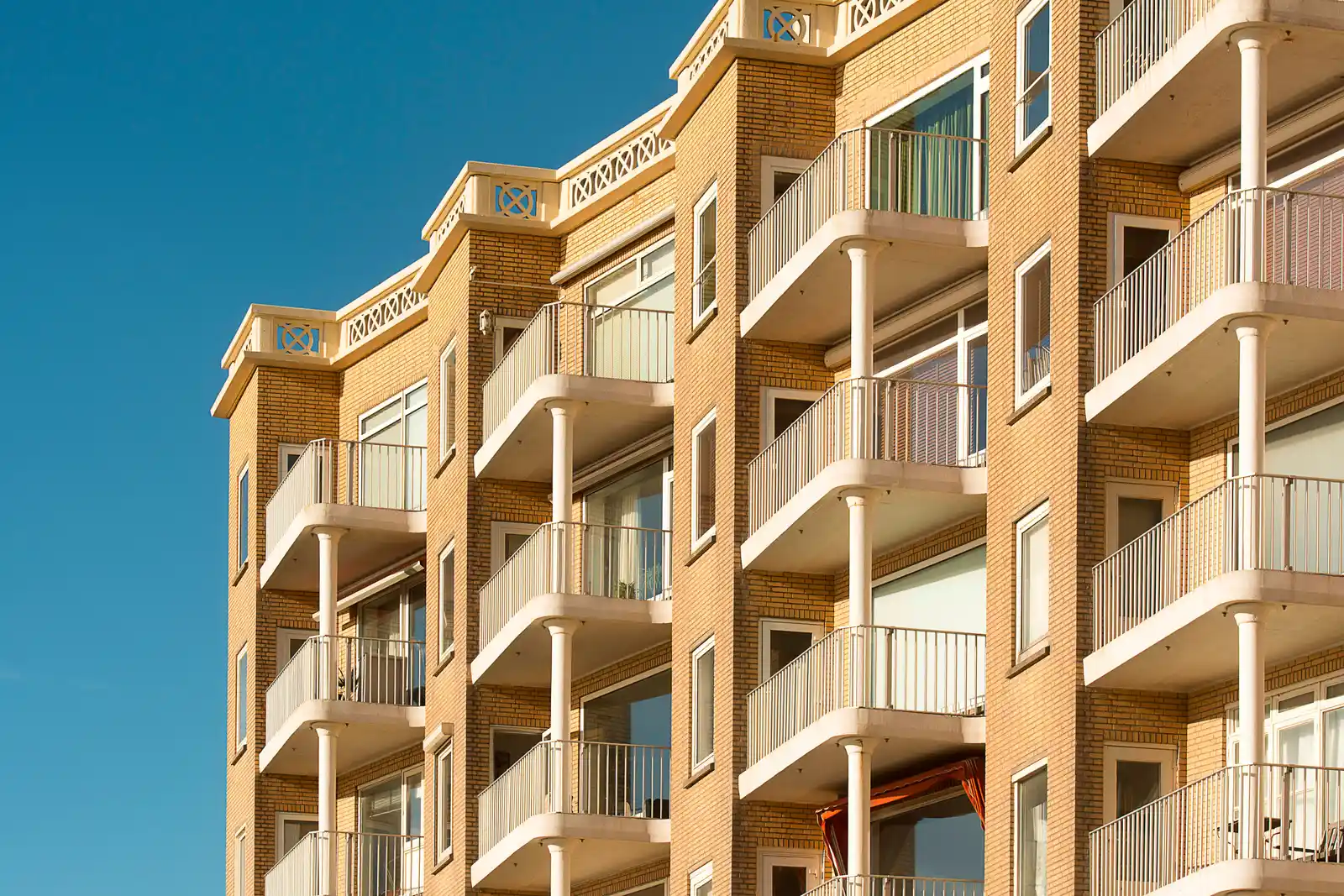
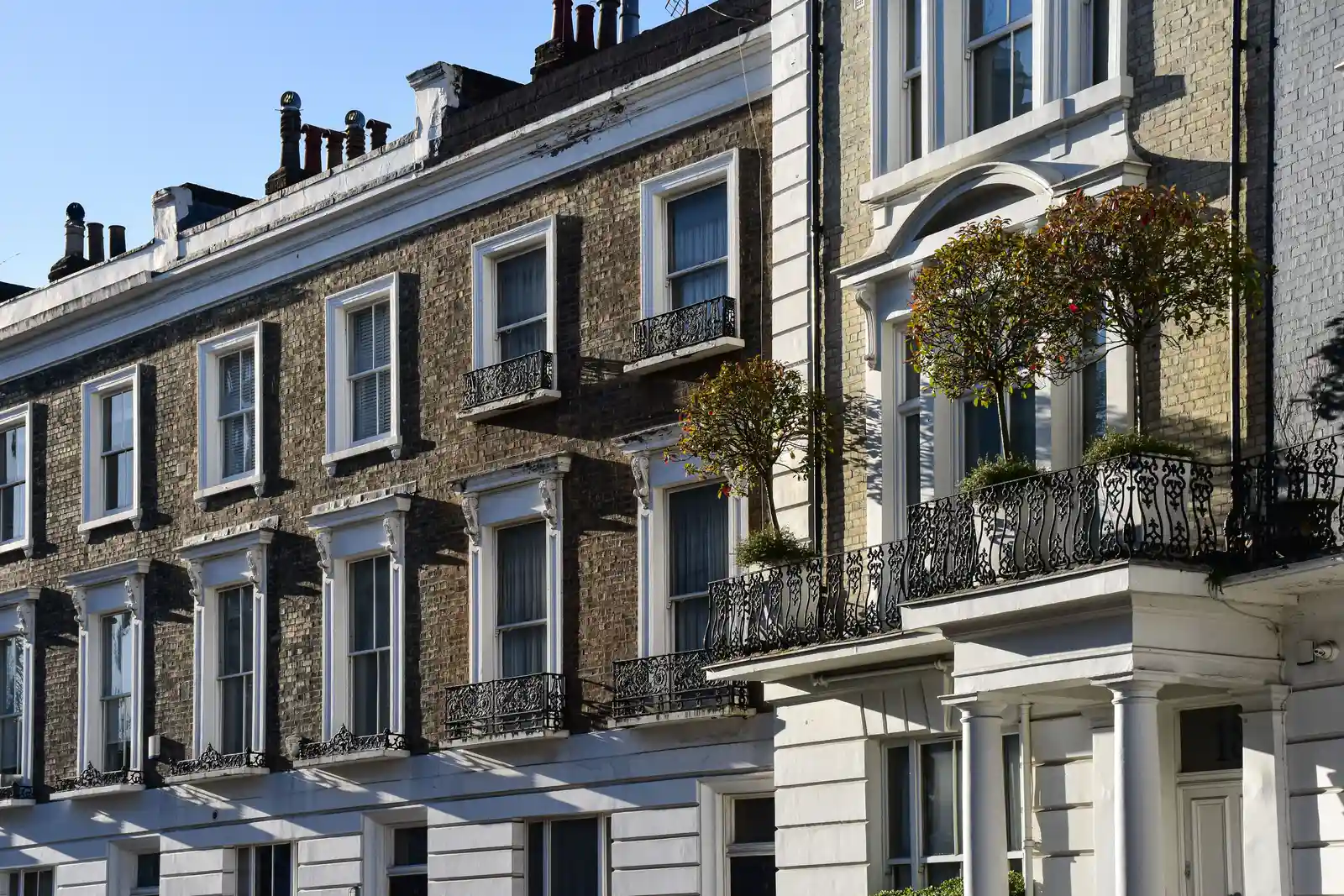
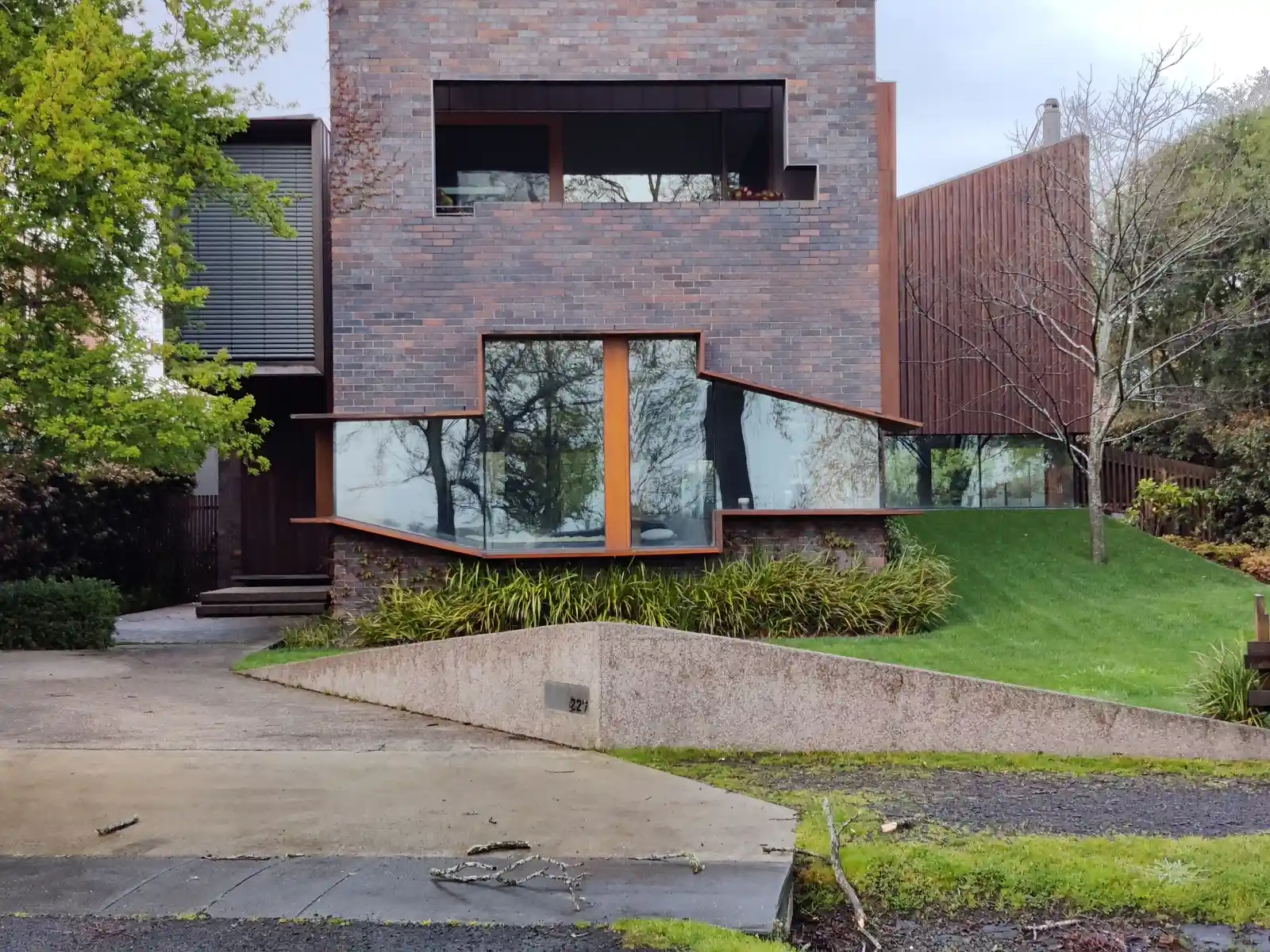
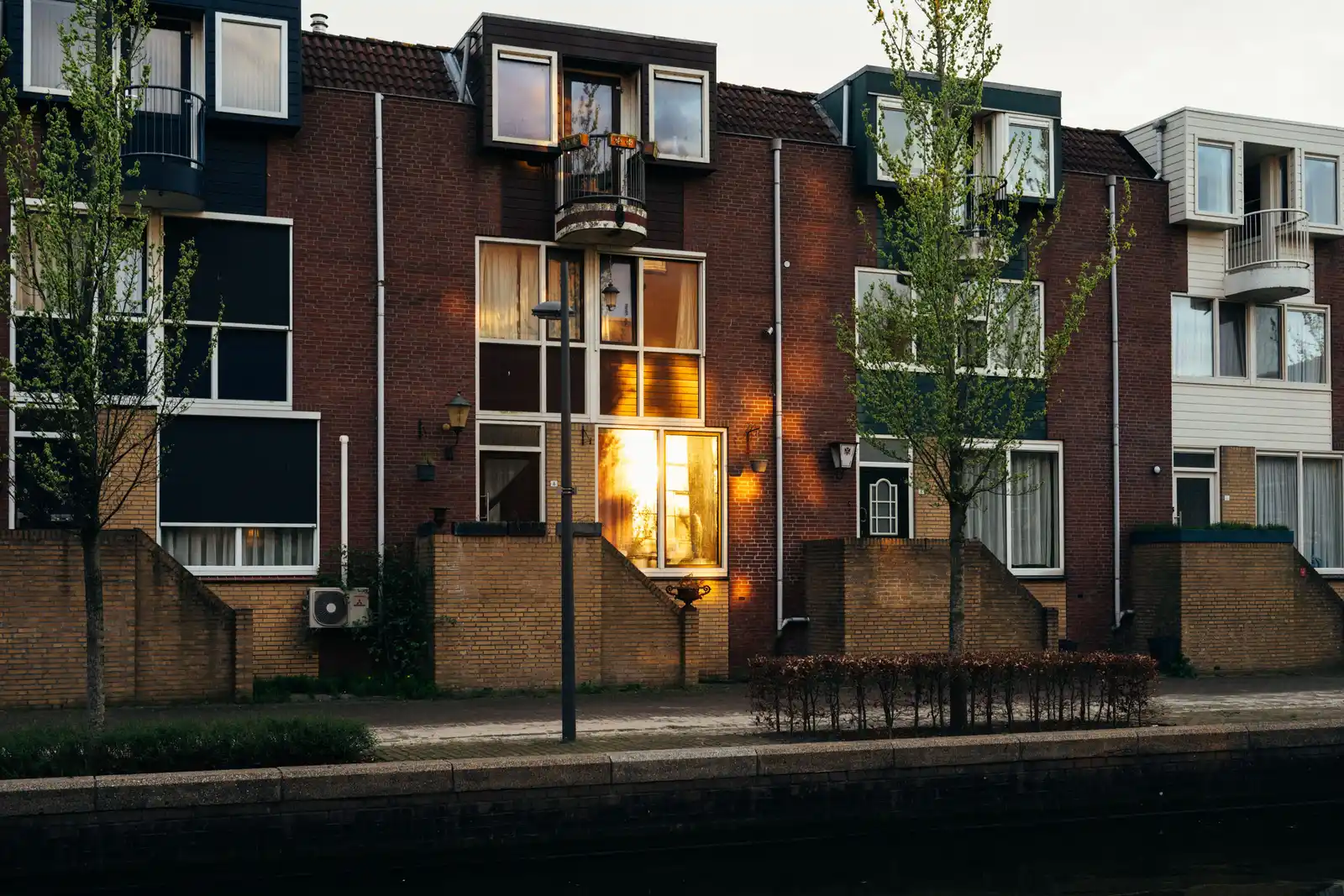
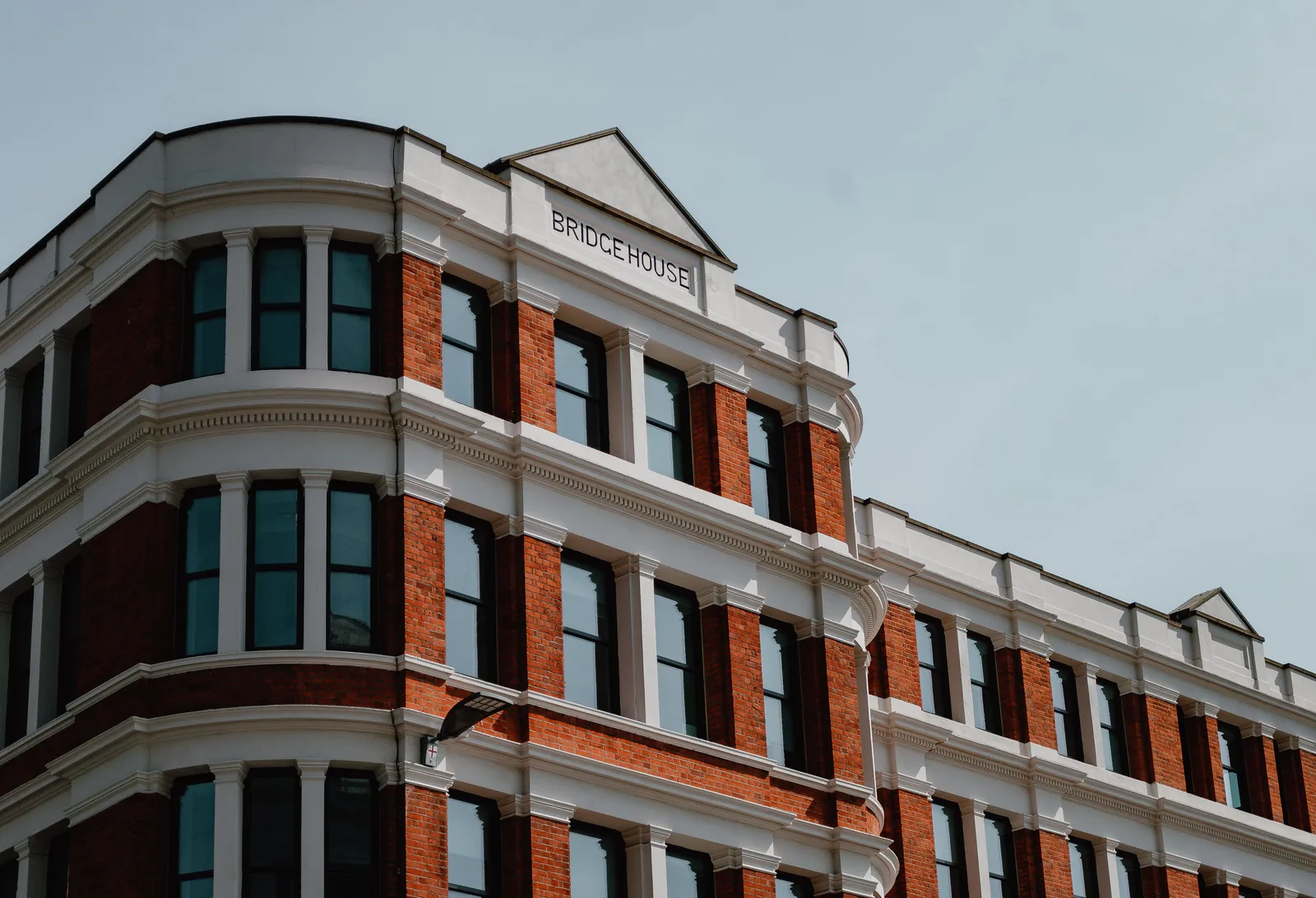
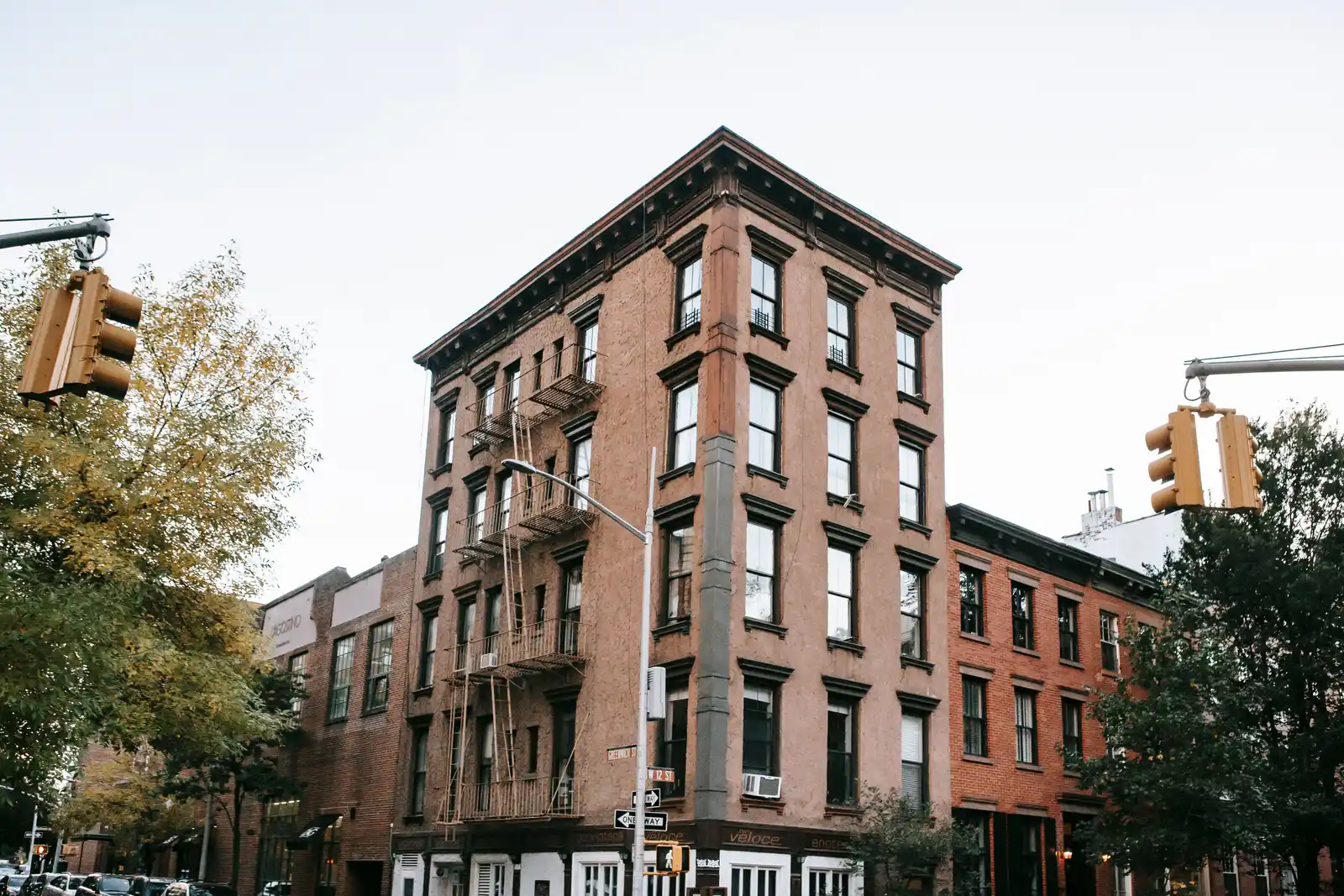
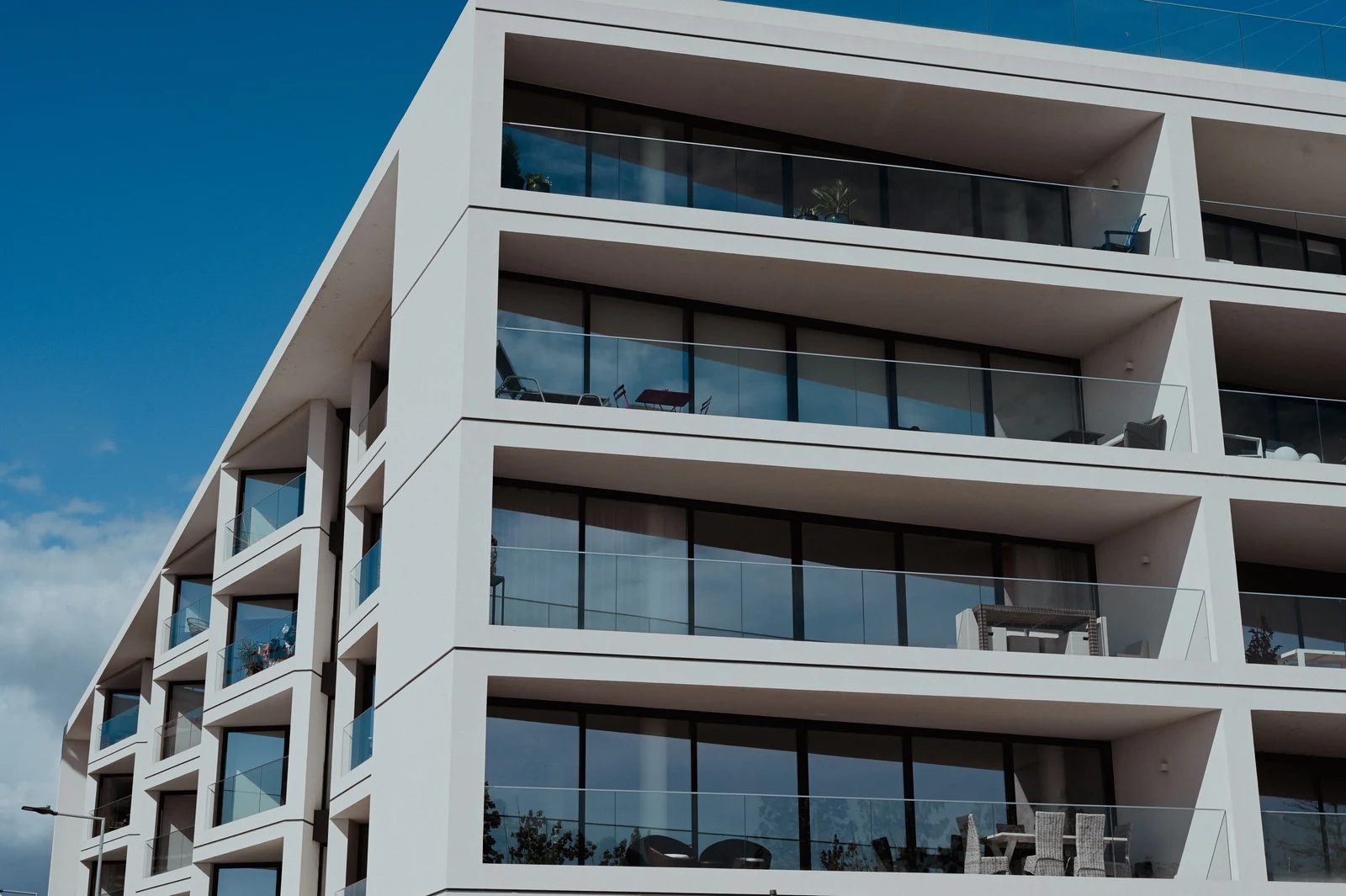
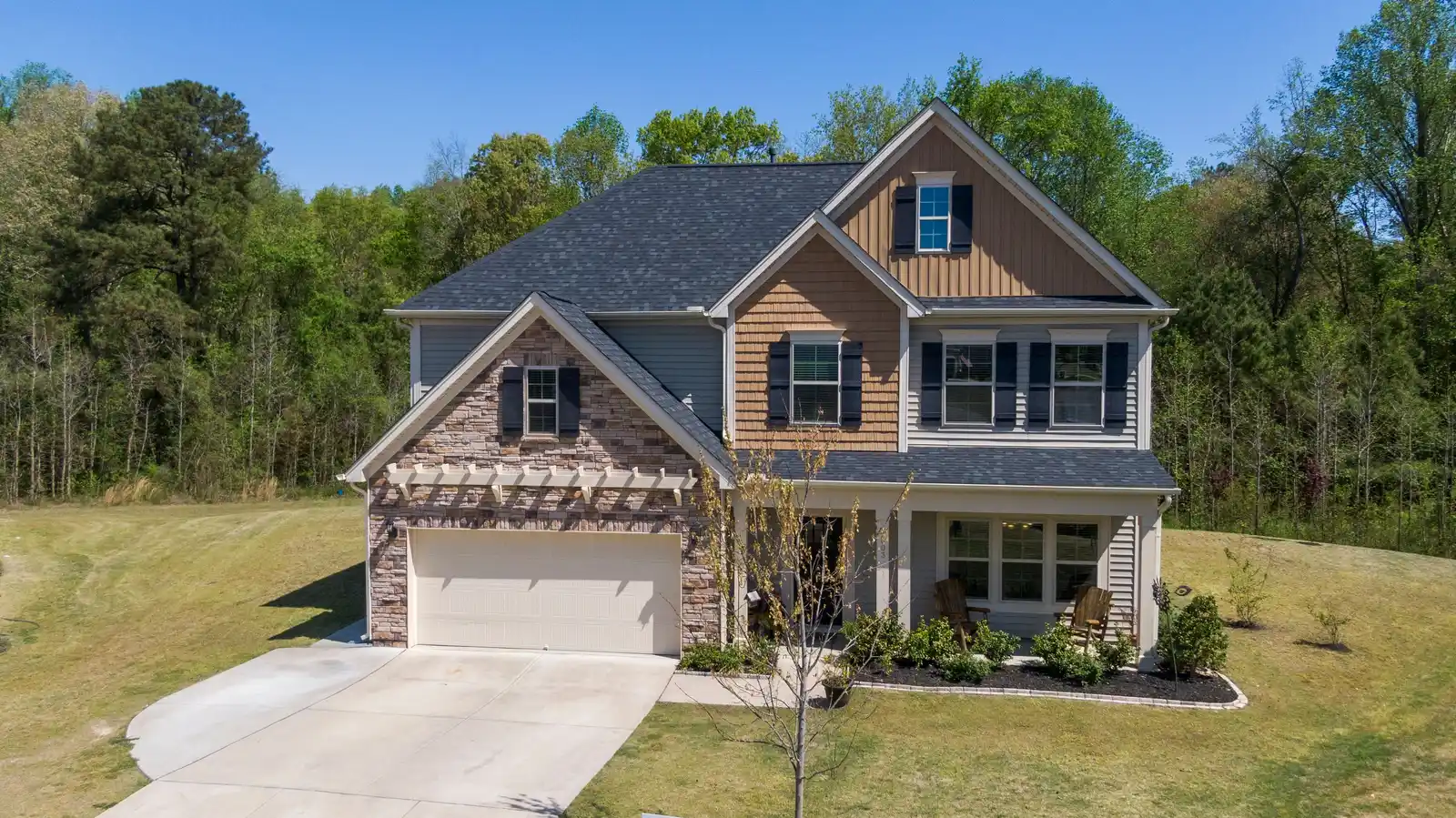
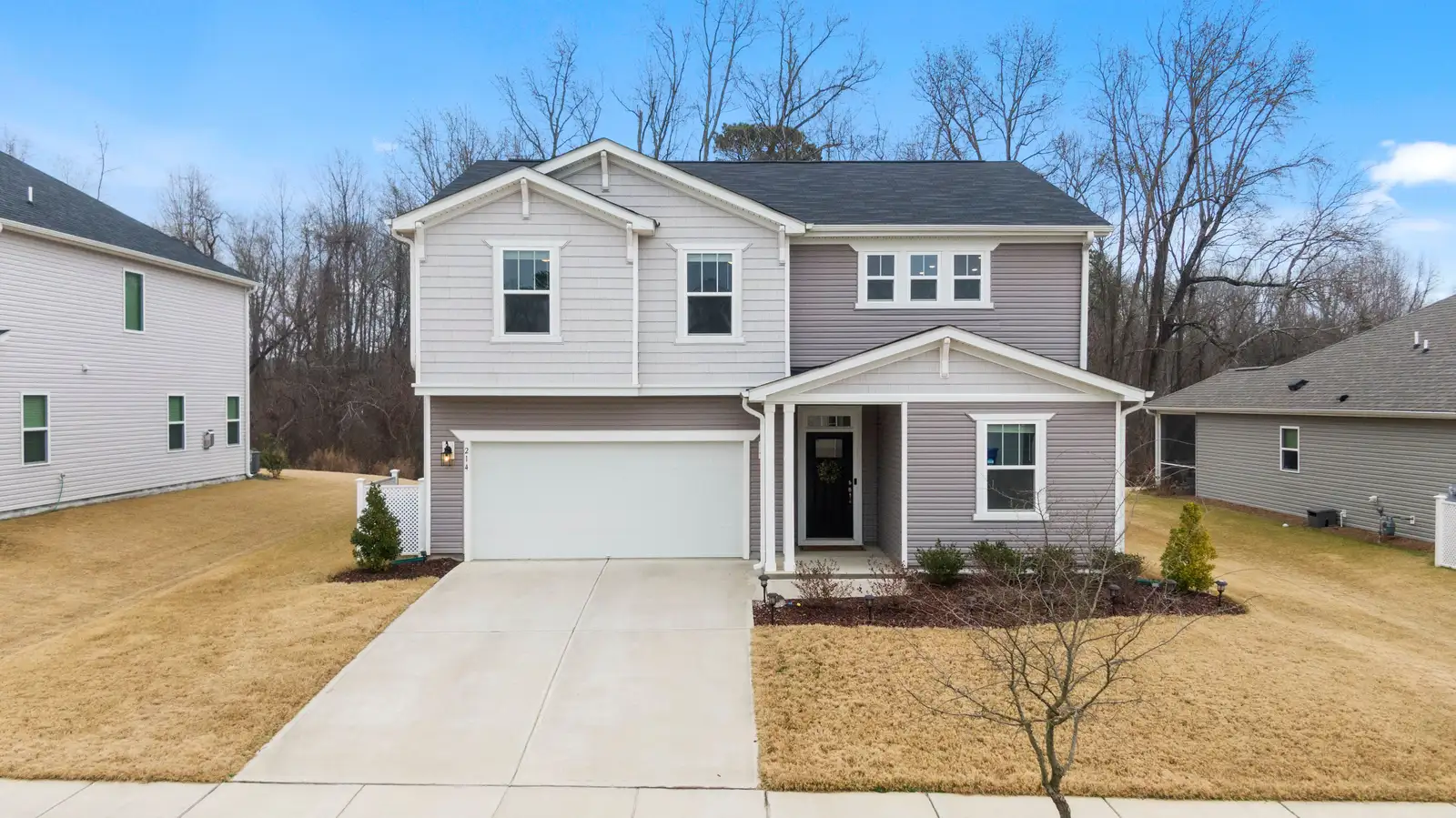
From Lincoln Park two-flats to infill builds in Pilsen and Logan Square, we build masonry for a city where every lot is tight, every alley matters, and the block is always watching. Our crew works the density Chicago construction actually demands.
Chicago doesn't build like the suburbs. Two-flats, greystones, and bungalows sit shoulder to shoulder across Lincoln Park, Bucktown, Logan Square, Hyde Park, and Pilsen, and a new build has to fit that density without losing its own identity. We construct infill homes and additions that respect the block and the alley behind it.
From Lincoln Park two-flats to infill builds in Pilsen and Logan Square, we build masonry for a city where every lot is tight, every alley matters, and the block is always watching. Our crew works the density Chicago construction actually demands.
Chicago construction rarely gets a clean, wide-open lot. Infill sites are squeezed between existing brick two-flats and greystones, alley access is narrow, and zoning leaves little margin for error. A crew that can't plan around party walls and tight staging ends up costing the builder real days, not just materials.
From infill foundations to the brick facade the street actually sees, every service below is handled by the same in-house team — no subcontractors bouncing between your lot and three others across the city.
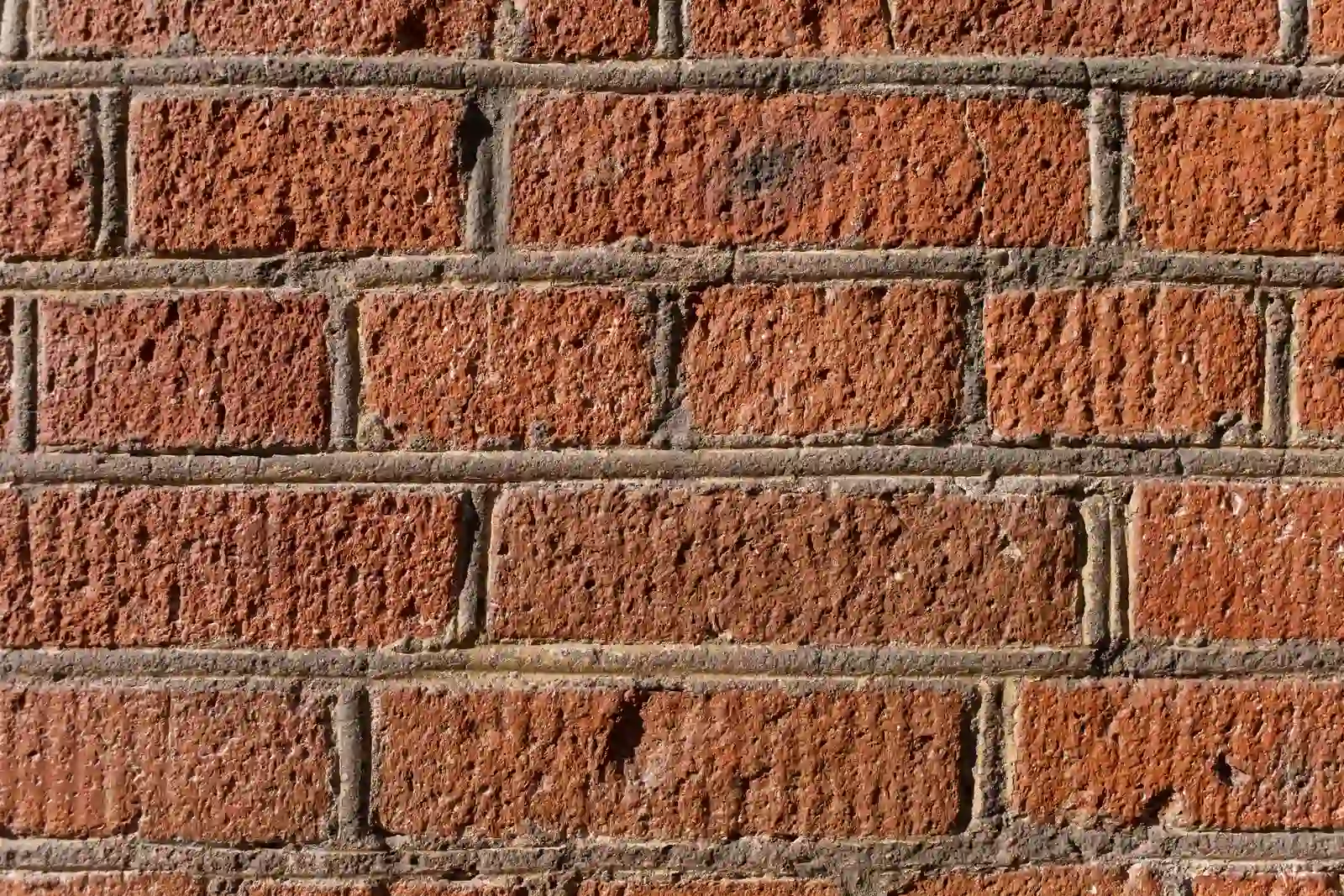
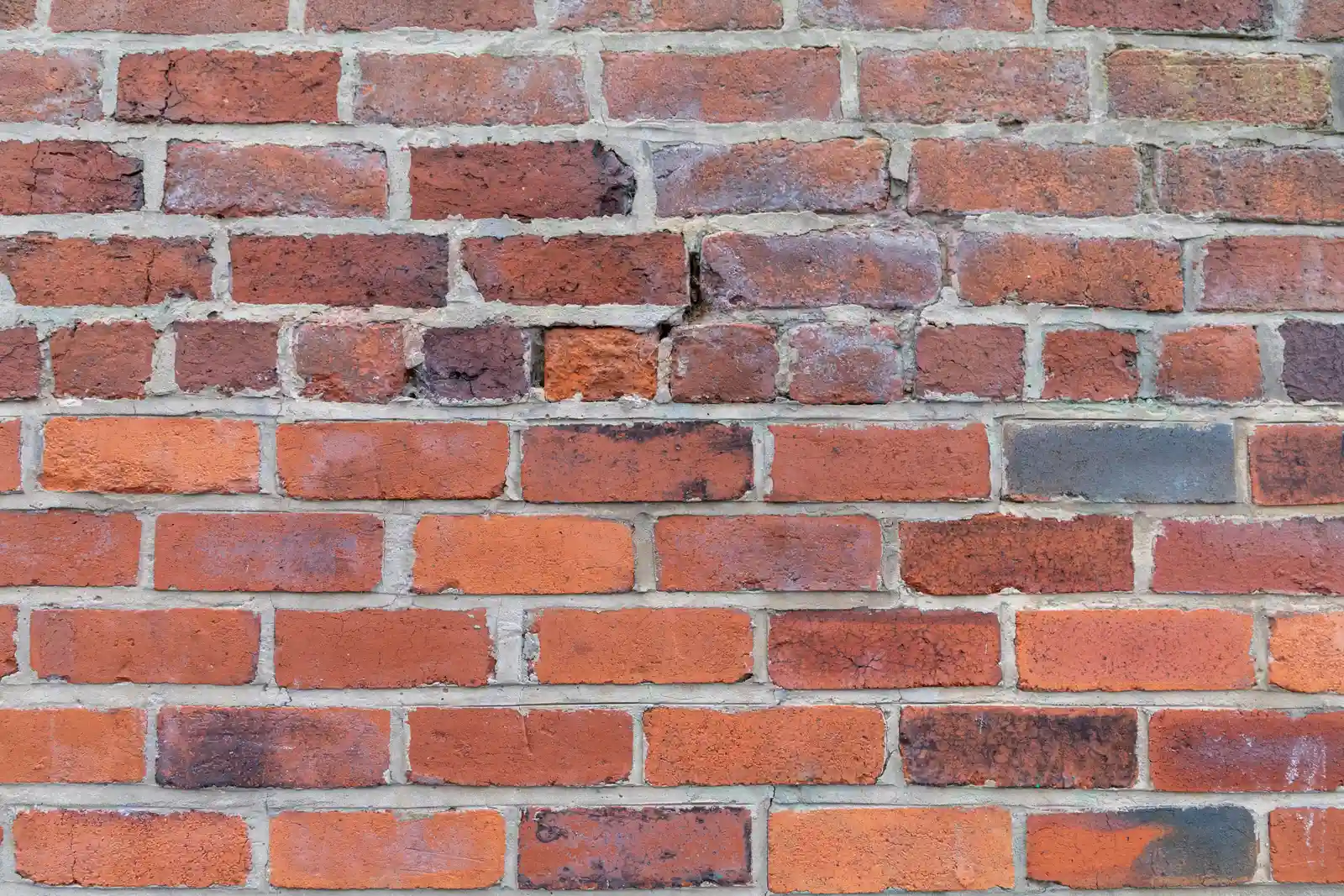

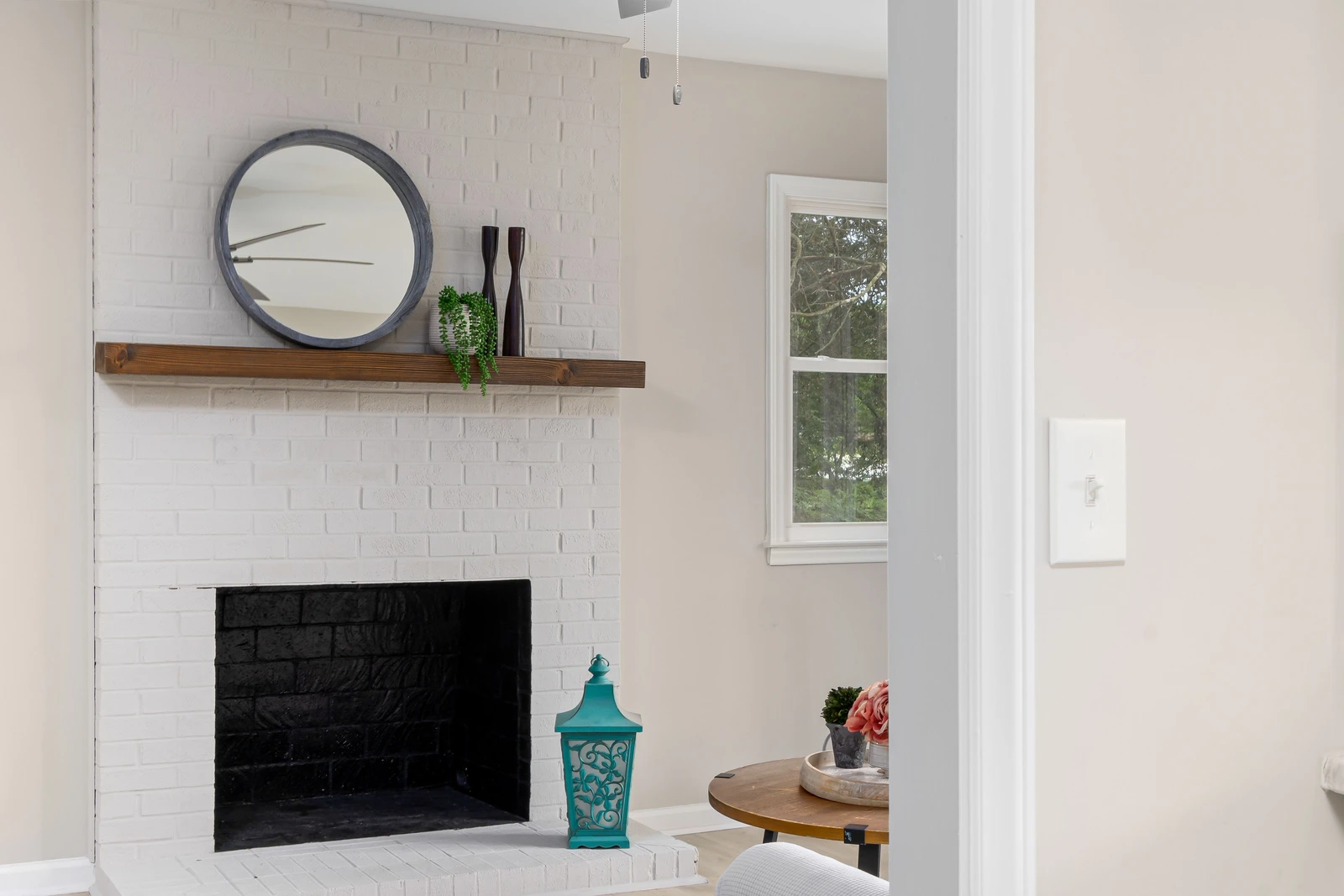
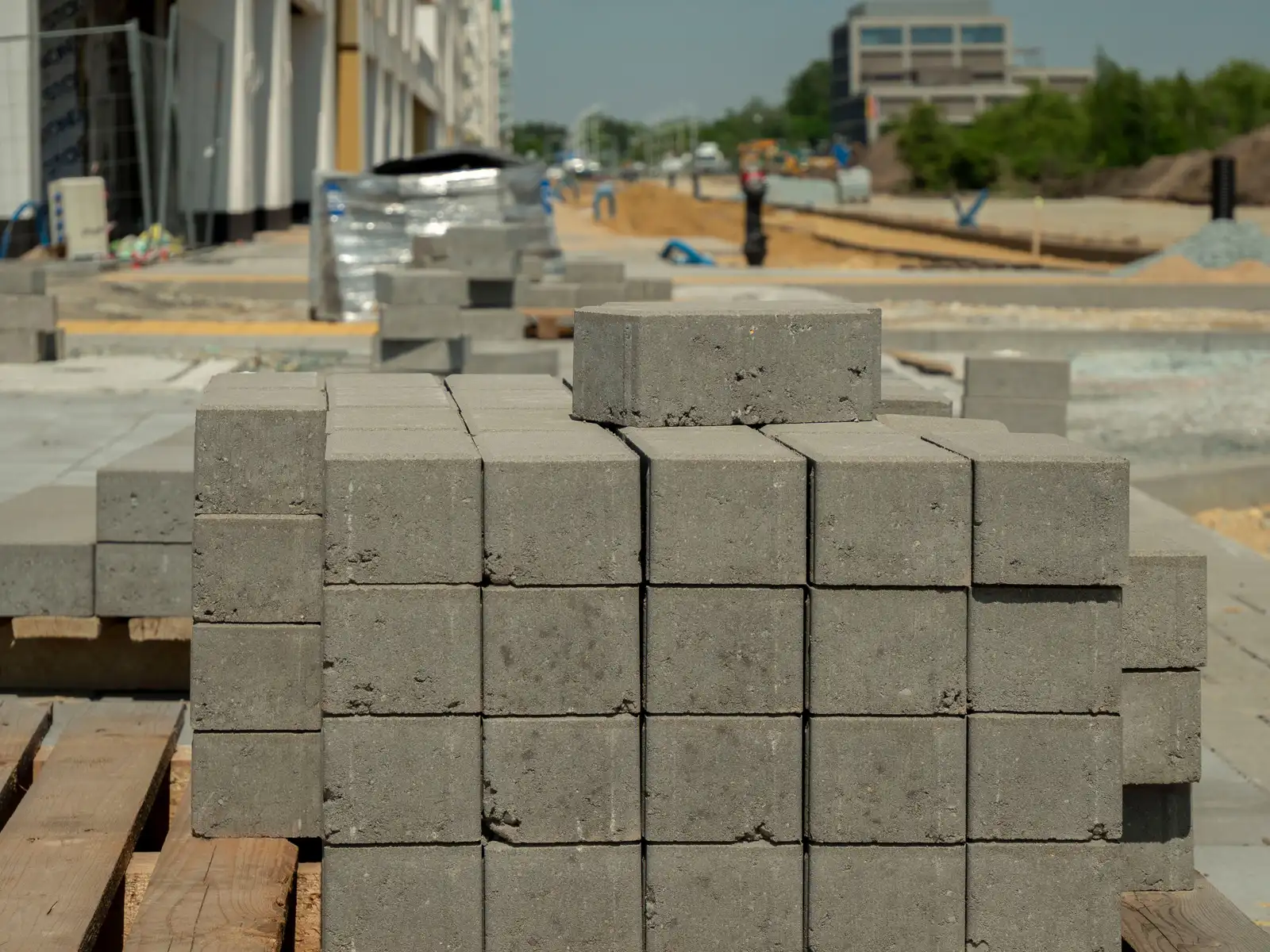
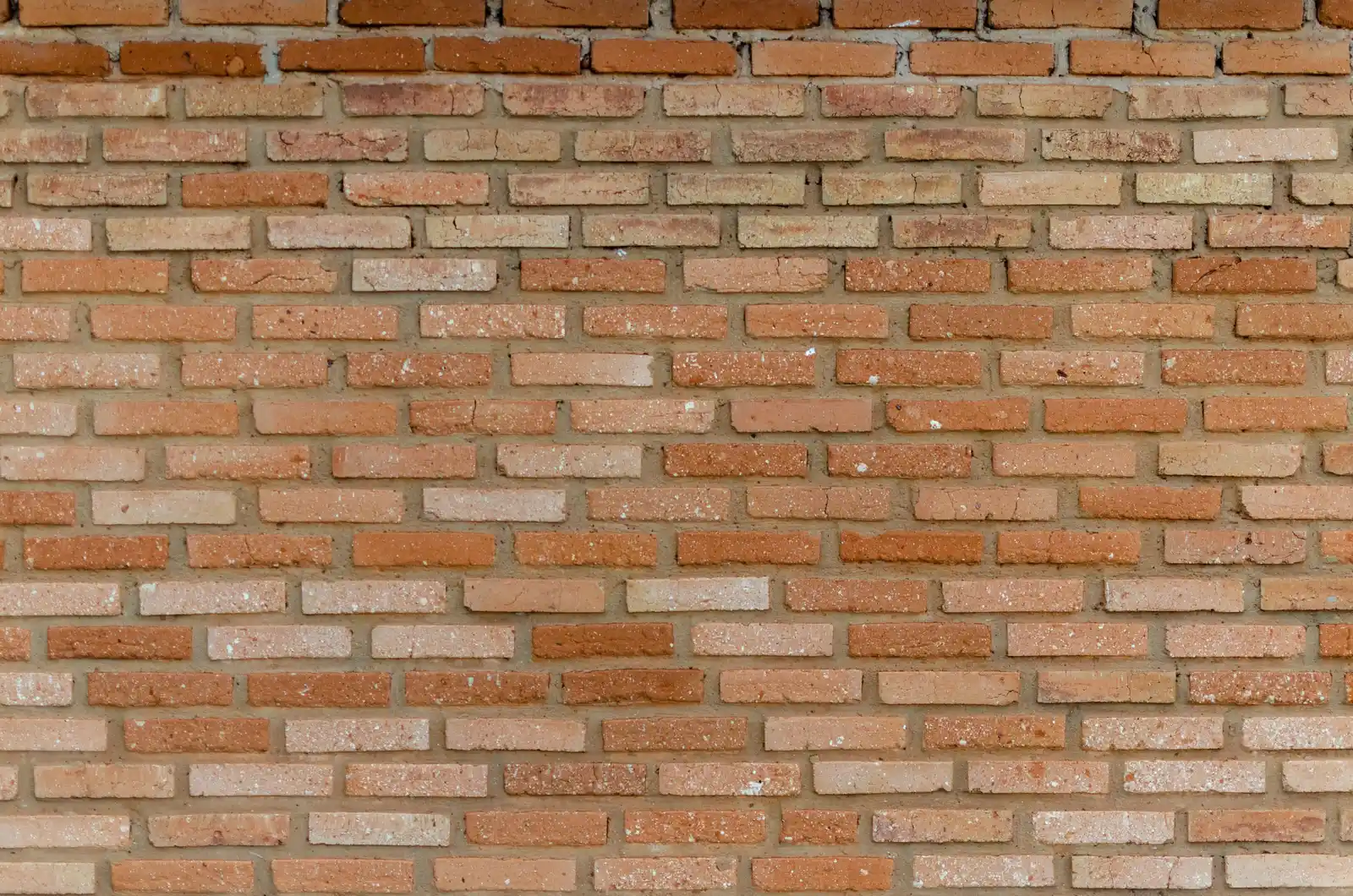


Dense lots, shared alleys, and a block that's already watching — here's how we sequence a Chicago masonry job from survey to final walk.

Before we price the job, we walk the lot line, party walls, and alley — Chicago infill footprints run tighter than drawings suggest once setbacks are counted.
A Bucktown or Logan Square lot rarely forgives a miscalculated stockpile zone — we plan the site before we plan the wall.
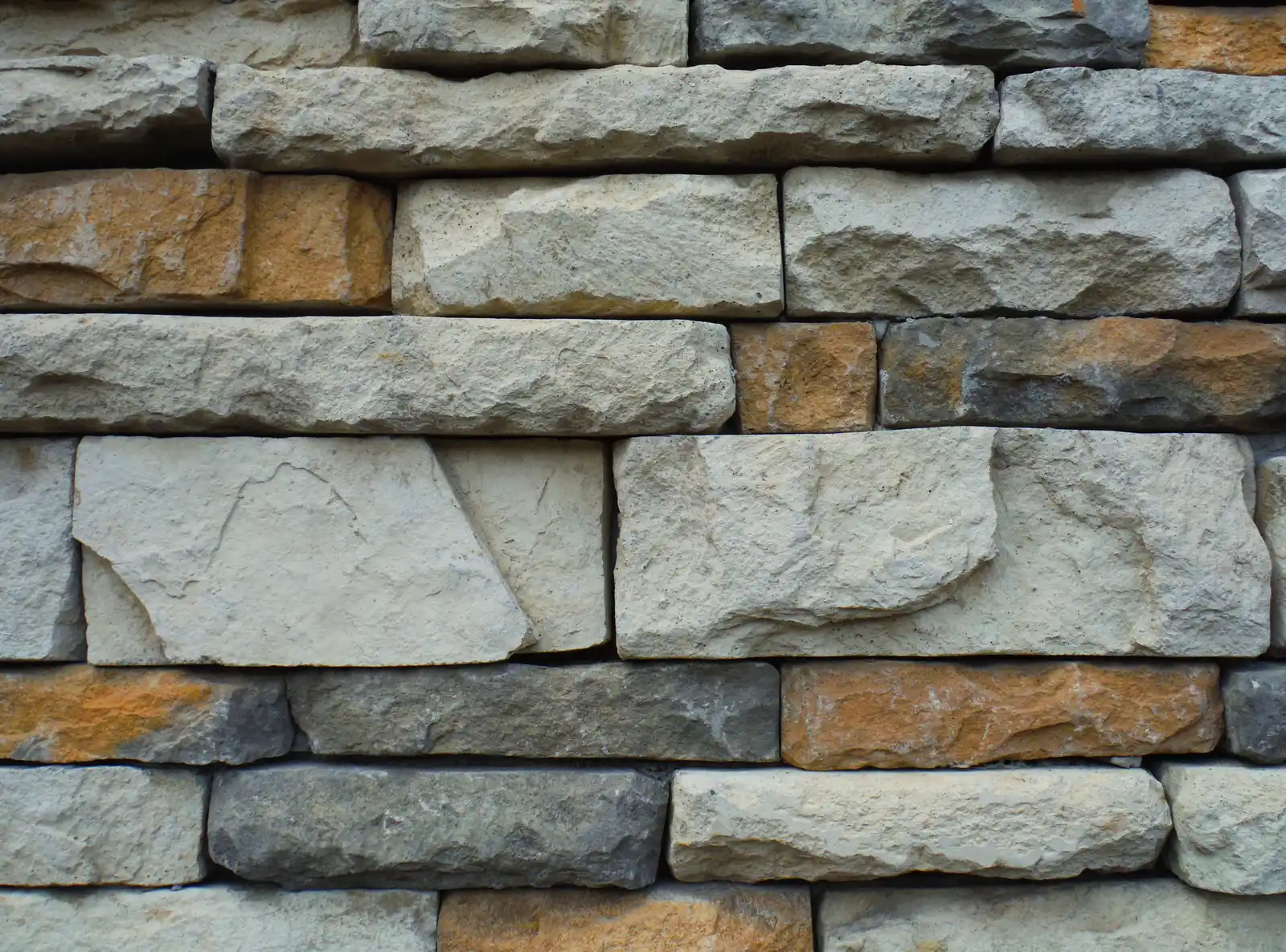
For infill beside existing greystones and brick two-flats, we source brick and stone that reads correctly against the block, not just what ships fastest.
A new build wedged between century-old brick has to hold its own, or the whole street notices.
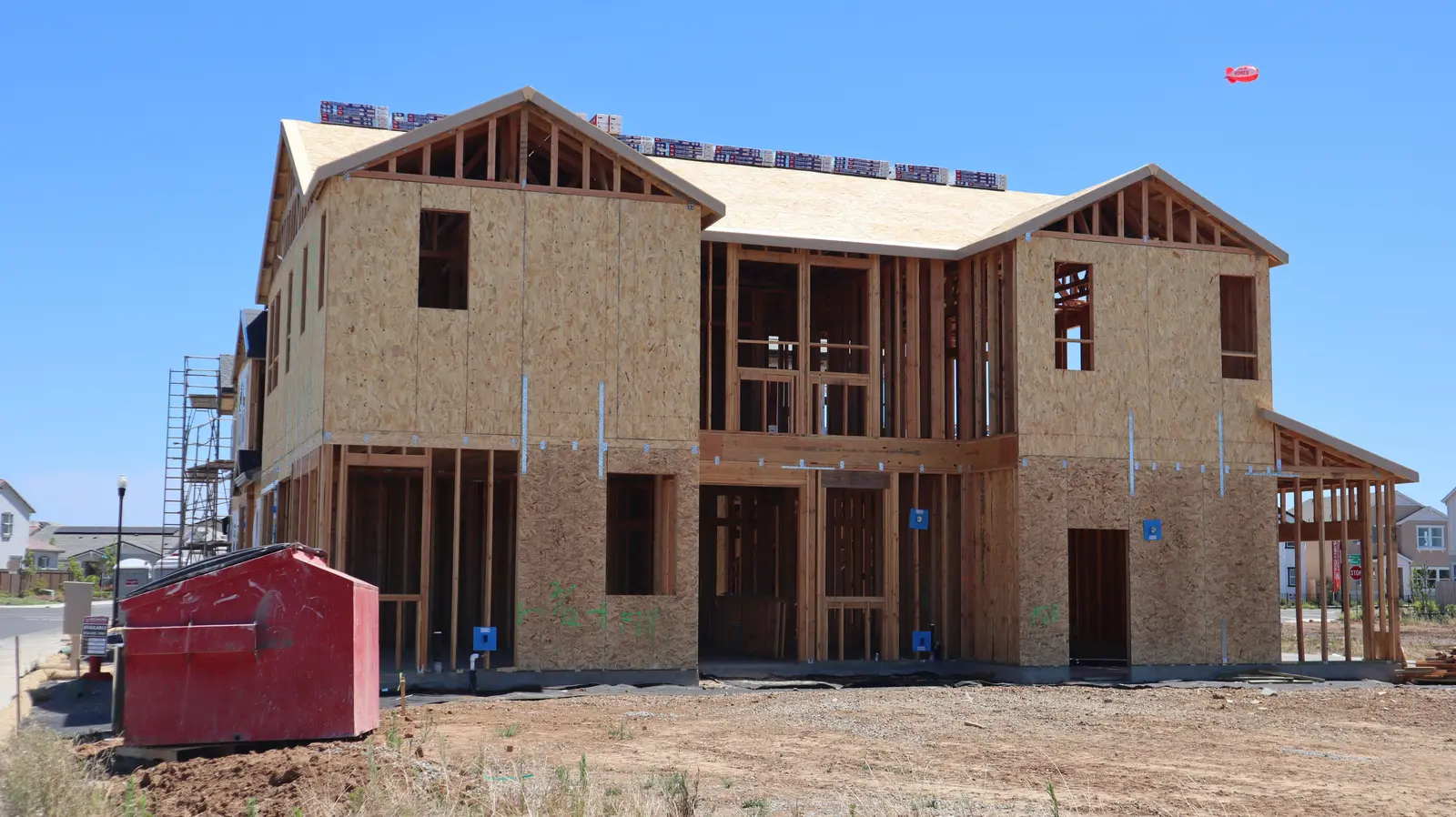
Dense lots mean scaffolding, staging, and crane swings get sequenced around a narrow alley and a shared line — sometimes a neighbor's fence six inches away.
Get staging wrong on a Pilsen or Hyde Park lot and you lose days waiting on access, not laying brick.
Our own masons lay every course and build every load-bearing CMU wall to the stamped plans — no rotating crews on jobs this exposed to city inspectors.
Chicago plan review moves fast when the masonry matches the permit set the first time.
We walk the finished masonry with the GC and homeowner, wash down the new facade, and confirm it's ready for the city's final inspection.
We'd rather catch an off-color joint ourselves than have an inspector flag it in front of your client.
Chicago infill doesn't leave room for guesswork. Get a shared foundation, an alley clearance, or a coursing match wrong on a tight city lot, and the fix isn't a patch — it's a redo with the neighbors watching.
Typical rework cost when a crew misjudges lot clearance or party-wall detailing
Before mismatched infill brick or bad flashing shows up as a real problem
AMS passes City of Chicago masonry inspections on the first visit
Crews that don't scout the alley first end up blocking deliveries or trapping equipment behind a neighbor's garage mid-pour.
A new facade with the wrong brick tone or joint width stands out next to greystones and two-flats that have been there for a century.
Skipping proper flashing and ties where a new structure meets an existing shared wall invites water intrusion into both buildings.
Rotating crews unfamiliar with the site's tight clearances slow everything down and leave the GC managing chaos instead of progress.
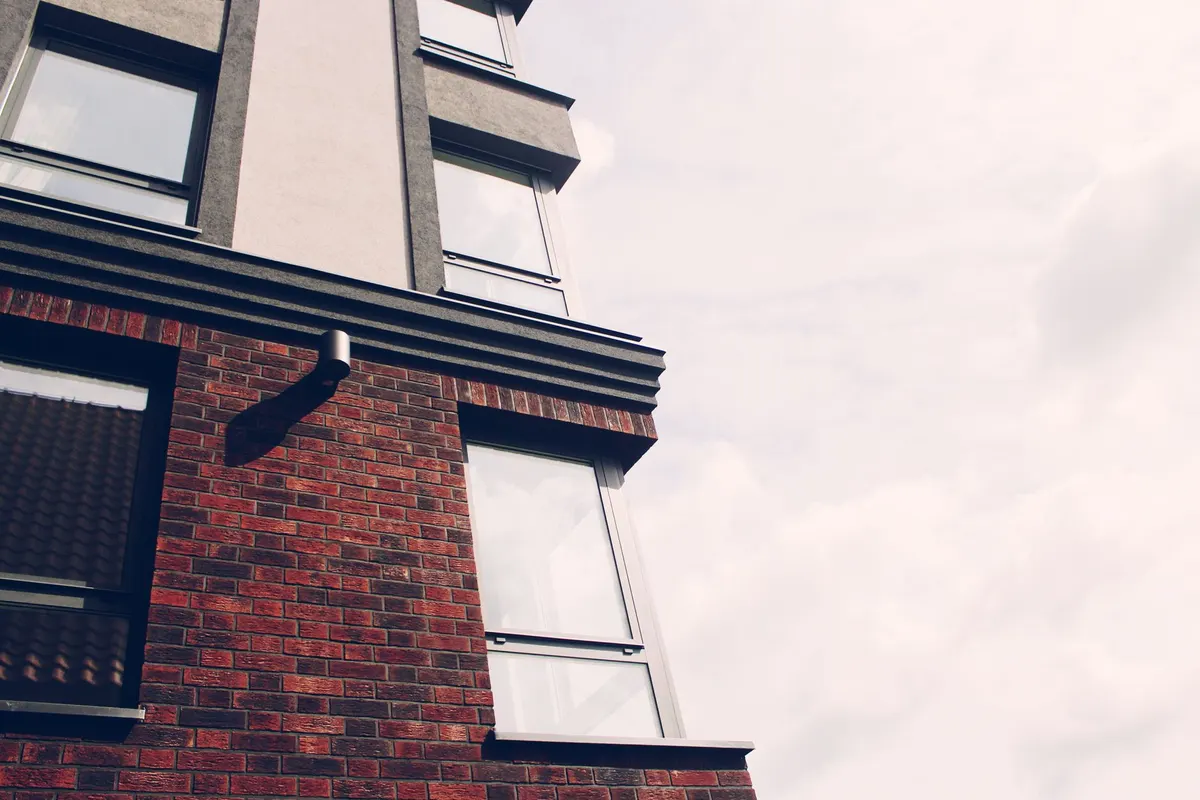
Before we quote a job, we look at what's already standing next door. New brick that clashes with the greystone beside it is a mistake we don't make.
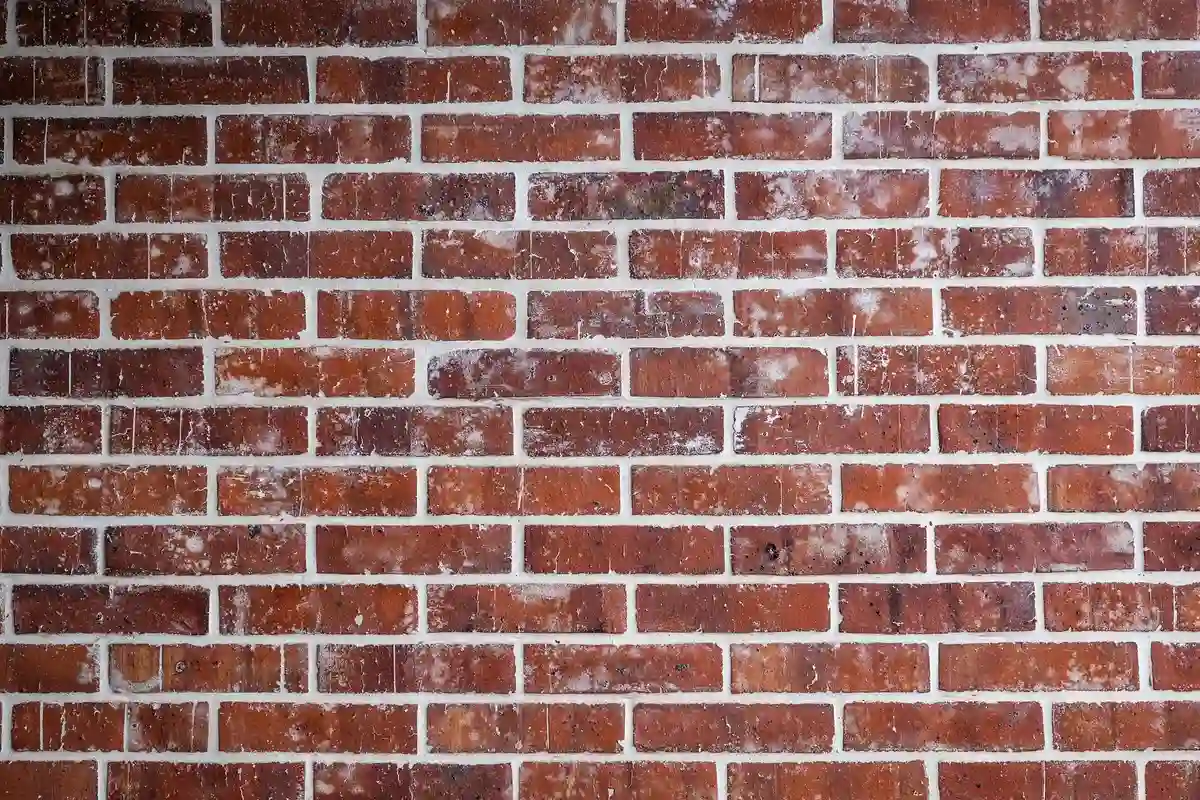
No rotating subs on a job this visible. The masons who walk your alley on day one are the same ones finishing the facade.

We plan deliveries and staging around your actual alley access — not a generic timeline that assumes wide-open suburban driveways.
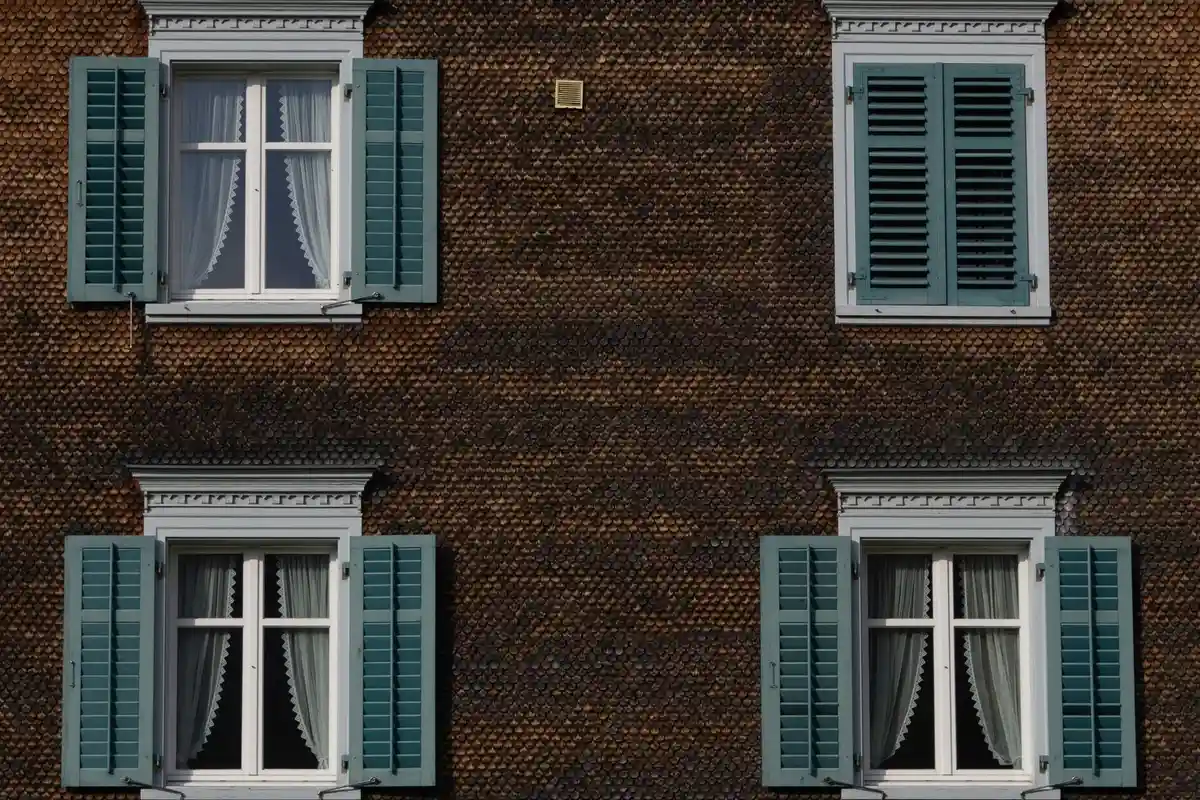
Shared foundations and lot lines get the flashing and tie-in details they need — protecting your build and the structure next to it.
"Our infill lot in Bucktown had eighteen inches of clearance on the alley. AMS staged deliveries around it without blocking our neighbor's garage."
Priya Chandran
Chicago, IL · City of Chicago
Infill brick, limestone, and repointing work completed for homeowners and builders across Lincoln Park, Bucktown, Logan Square, Hyde Park, and Pilsen.
100+ projects completed across Illinois
If your new brick or stone doesn't sit right next to the buildings on either side of it, we re-select and rebuild the affected coursing — no charge, no argument. That's our standard on every Chicago lot.
What Chicago homeowners, builders, and architects ask us before we ever set foot on a tight city lot.
City lots are our specialty, but the same crew builds throughout the North Shore, Western Suburbs, and DuPage County too.