We stop water infiltration before it becomes a brick replacement — with matched mortar, clean joints, and work that lasts 20–30 years.
Mortar isn't filler between bricks — it's the sacrificial, load-distributing layer that keeps water out and lets the wall move with the seasons. Restore it wrong and you haven't fixed anything. You've hidden the next repair inside a fresh joint.
Minimum grind depth before we repack a single joint
Mortar hardness engineered to your brick, not the other way around
Service life of a joint restored to spec, not just patched
We test the original mortar's hardness before we mix a single batch. Pack a wall built with soft lime mortar full of hard modern cement and the brick — not the joint — becomes the sacrificial layer. We match strength to the substrate every time.
A joint repacked an inch deep is a repair. A joint skimmed a quarter-inch deep is a delay tactic. We remove deteriorated mortar to sound material and rebuild the full depth in packed lifts — the same discipline we use pointing a new build.
Concave, weathered, raked, flush — the joint profile is part of the building's original design intent. We tool every new joint to match the surrounding wall exactly, so the restored coursing reads as original, not repaired.
GCs and property managers get a written scope, photos of the grind depth before repointing, and a mortar spec sheet — the same documentation standard we hold ourselves to on a ground-up masonry build.
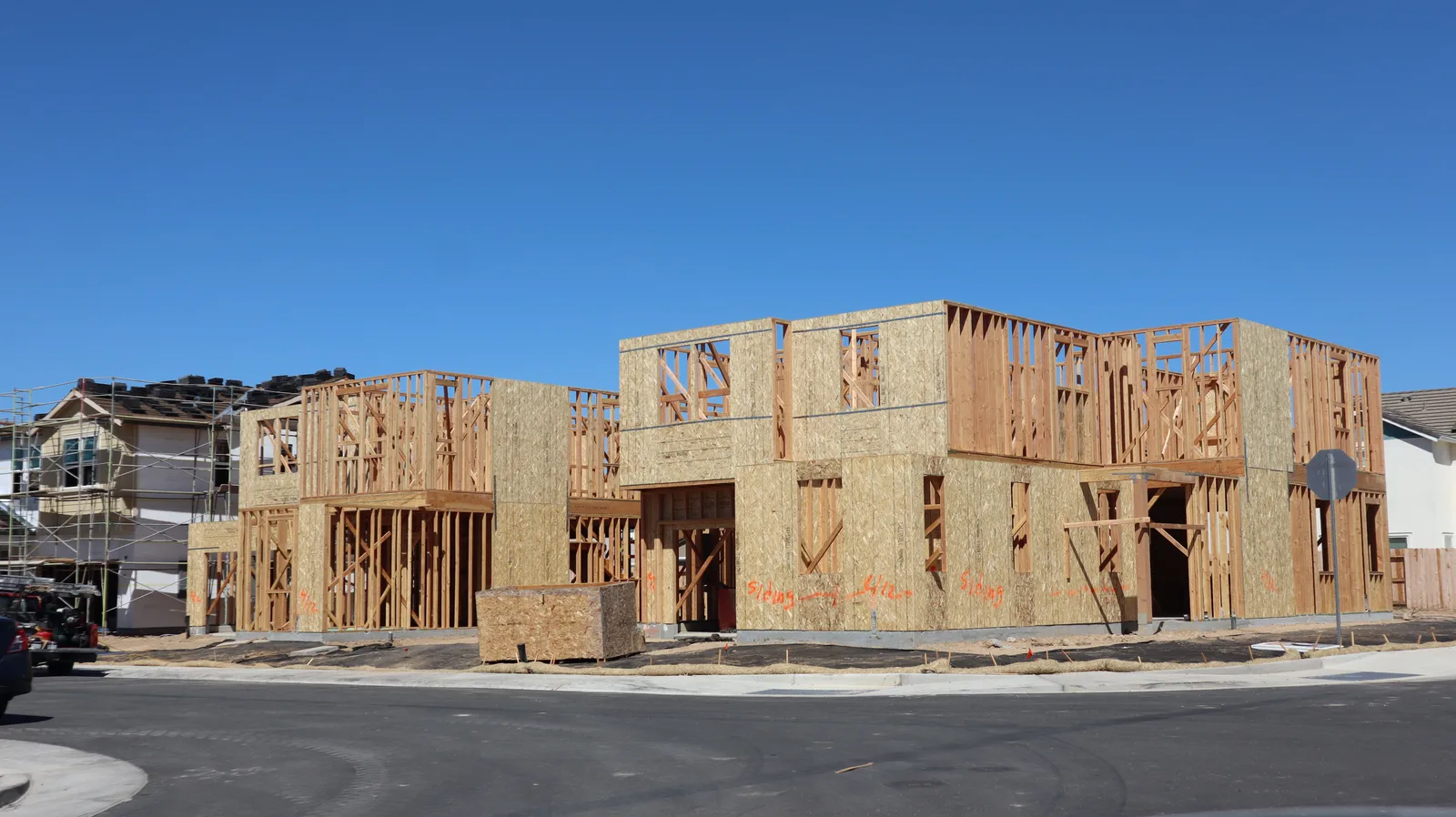
On new builds and additions across Chicagoland, every mortar joint follows one sequence — sampled, packed, and tooled by our own crew.

Before any joint is packed, we pull a mortar sample from the plan spec and confirm aggregate, color, and hardness against the brick going up on your build.
Matching hardness to the brick keeps a new custom home's facade from cracking under its own mortar decades later.
We map joint profile and coursing rhythm against the architect's elevations before a single course goes up, so tuckpointing reads as one continuous plane.
A wall built without a layout plan drifts out of rhythm by the third story — we catch that on paper, not on scaffolding.
On any tie-in or repair scope within a new build, our crew grinds joints to a minimum of 3/4 inch, exposing clean material for the fresh mortar to bond to.
A shallow joint on a brand-new wall is a callback waiting to happen. We grind to the depth a real bond requires.
Mortar goes in layered lifts, never packed in one pass, then struck to the profile your architect specified — concave, flush, raked, or weathered.
Lifts cure without shrinking away from the brick, which is the difference between a joint that lasts and one that doesn't.
We walk every course with your builder or GC before the next trade moves in, confirming joint tooling and coursing match the approved drawings.
Catching a joint issue before drywall or siding closes it in saves your build a costly reopening later.
The same crew that points new brick on a custom build is the crew that repoints your existing wall. Full-depth grinding, matched mortar, tooled to the original profile.

The masons who repoint your wall carry the same quality control as our new-build division. No subcontractors touch your facade.

Upload photos, get a real read on joint depth and severity before we ever step on a ladder. No sign-up, no pressure.

We sample and test the original mortar's hardness and color before we mix a batch, so the compressive strength never fights your existing brick.

Minimum 3/4-inch grind depth before we repack anything. Shallow "tuck and run" work isn't in our process — deep removal is non-negotiable.
Property managers hire us to protect an asset. Homeowners hire us to stop staring at a crumbling facade. Architects and GCs bring us in when a restoration has to hold up to the same scrutiny as the new work around it. One crew, one mortar standard, regardless of who's signing the check.

A restoration is only finished when you stop being able to find it. We choose mortar mix and joint profile for how the wall ages through the next twenty Chicago winters — not for how the patch looks the week we leave. That's the standard we hold every repointed joint to.
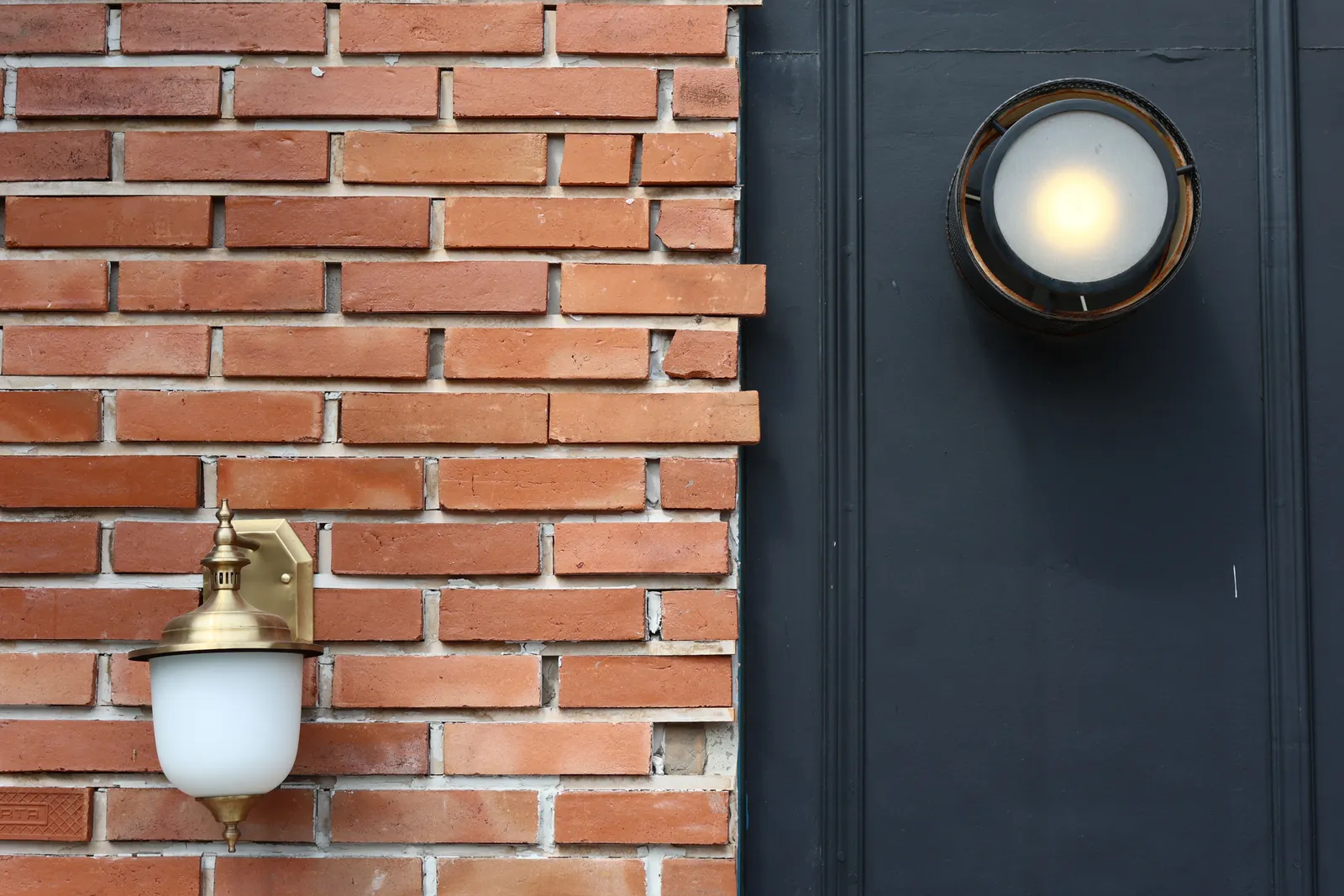
"If you can point to where we worked, we're not done yet."
Chicago freeze-thaw cycles destroy ignored mortar.
Find out how serious it is — and what it'll cost — in 60 seconds. Free.
8 warning signs. 60 seconds. Realistic tuckpointing cost range for your Chicagoland home.
"Used this before calling AMS — the estimate was spot on. Saved me from getting overcharged by another contractor."
— Karen L., Winnetka homeowner
Cost ranges are based on typical Chicagoland tuckpointing projects (2026). Your free on-site estimate from AMS may vary based on actual brick type, mortar depth, and access.
See how we surgically restore the structural integrity of historic and luxury facades while preserving their original aesthetic.
Securing investments across Chicagoland.
Scope drives the number more than square footage does — a single chimney is a different job than a full elevation. These three tiers reflect what we actually quote, mortar matching and cleanup already built in.
Brick hardness, joint depth, and how the scaffolding has to go up all move these numbers. We won't guess at yours over the phone. Get the real figure.
Every project gets a free written estimate — scope, materials, and timeline in writing — before a single tool touches your brick. No surprises.
"Our GC brought AMS in for tuckpointing on the new build's veneer tie-ins, and every joint matched the architect's profile call."
Gregory Vance
Kenilworth, IL · North Shore
We commit to a written mortar spec and grind depth before we start. If we ever repack a joint shallower than 3/4 inch, we redo it at no cost — that standard doesn't move.
What homeowners, property managers, and GCs ask us before we grind a single joint.