New chimney construction, fireplace masonry, and fireplace surround installation — built to code, built to last, and built to pass every inspection on the first visit.
Every other masonry element on a custom home carries weight. A chimney carries weight and a live flame, hundreds of degrees, inches from framing lumber. There is no tolerance for guesswork in how it's drafted, lined, or capped.
Firebox temperatures our refractory work is built to hold
Subcontracted labor on flue, crown, or firebox work
Pass rate on municipal chimney and hearth inspections
Flue-to-firebox ratio, throat sizing, and smoke chamber angle are calculated for your room's volume before a single firebrick is set. That math is what separates a fireplace that draws clean from one that smokes out the room.
Standard mortar fails at fireplace temperatures. Every firebox we build uses true refractory firebrick and heat-rated mortar rated for sustained 2,000°F+ exposure — the material distinction between decorative and functional.
Most chimney failures start at the roofline — a flat crown, a missing cricket, thin flashing. We build sloped concrete crowns and code-required crickets that shed Chicago winters instead of collecting them.
A chimney rises through multiple stories on a schedule your framers and roofers depend on. We coordinate the stack build and roof penetration directly with your GC so the house closes in on time.
Five checkpoints take a new chimney and fireplace from drawing set to a firebox that drafts correctly on day one.

Our crew works out flue-to-opening ratio, throat size, and smoke chamber angle for your exact room volume before any material is ordered.
A fireplace that smokes is almost always a math error made before construction, not a defect in the brick.
A masonry chimney carries real weight through every floor below it, so we confirm the engineered footing meets that load before the base course is set.
An undersized footing does not show up at inspection — it shows up as cracking once the new home has settled.
Our in-house masons set the firebox in refractory brick with heat-rated mortar, then build the flue and surrounding stack in checked, plumb courses.
The firebox is the one part of the house engineered to hold live fire — plumb and mortar type are non-negotiable here.
We form a properly sloped concrete crown, set a code-compliant cap, and build a cricket wherever the chimney width calls for one, tied into your roofer's flashing.
A flat crown or missing cricket is the single most common source of chimney trouble in Chicagoland winters.
We clad the stack and hearth in the brick or stone your plans specify, then walk the finished chimney with your builder for a joint draft and safety check.
Your builder signs off alongside you, so the one inspection that matters happens with both of you standing there.
Firebox to crown, one crew, no subs. Built to draft correctly, pass inspection, and anchor the room for decades.

A chimney is a thermal engine, not a decorative stack. We never delegate firebox or flue work to subs — the same trained crew handles it start to finish.

A chimney rises through multiple stories on your framer's clock. We work directly with roofers and framers for flashing and penetrations that never leak.

We calculate draft physics before we build — flue ratio, throat size, smoke chamber angle — then lay true refractory brick rated for the heat it will actually see.

No franchise, no rotating crews. Since 2007 the owners who scope your hearth are the same hands that lay the firebrick and set the mantel.
Homeowners come to us for a fireplace that becomes the room's center of gravity. Builders and architects come to us for a chimney sequenced correctly against their roofline schedule. Our mission is delivering both from the same set of drawings — a hearth that draws clean and a stack that closes the house on time.

A chimney gets one chance at a proper crown and a correctly built cricket — after the roof closes in, mistakes are buried under shingles and siding. We build every stack for the freeze-thaw cycle it will face fifteen winters from now, not just the inspection it faces next month.
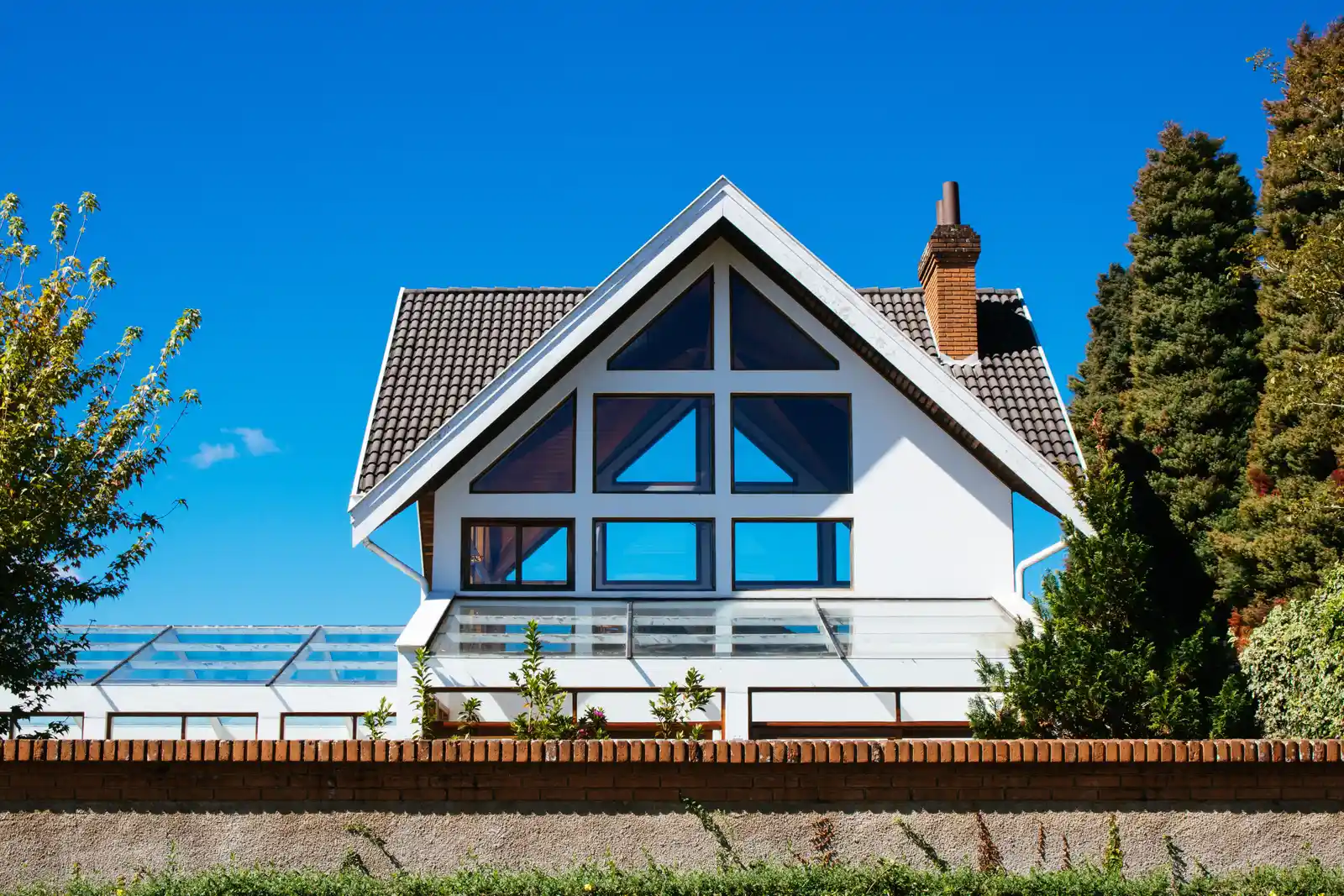
"We build every crown for the winter it hasn't seen yet, not the walk-through it has next week."
Don't light a fire in a chimney you haven't checked this season.
10 warning signs. 3 minutes. Know if your chimney is safe to use before the first fire of the season. Free.
Walk your own chimney and firebox against the same 10 checkpoints our masons look for on a site visit — then decide if it's ready for the first burn.
"Ran the checklist before our first fire of the season. It flagged two things I'd completely missed — including a missing chimney cap. AMS came out, fixed everything, and the inspection passed clean."
— Barbara T., Homeowner · Highland Park, IL
Safety assessment is based on visual warning signs. A professional chimney inspection by AMS is recommended if any items are flagged. Call 773-656-2107 to schedule.
Chimney & Fireplace Surround Brought to Standard — Clarendon Hills
DuPage County, IL
View Masterpiece →From towering exterior stone stacks to intricate interior fireplace surrounds—built flawlessly by our in-house masonry experts.
The trusted choice for luxury general contractors.
Height, brick type, and how much of the stack needs rebuilding move the number more than anything else. These three tiers cover most of what we quote.
Pricing varies significantly by chimney height, brick type, and scope. Free on-site estimate is the only accurate number. Schedule yours here.
Every chimney project is assessed for code compliance before work begins. We don't close out until the work passes inspection and the walk-through is complete.
"AMS built our chimney and fireplace as part of a new addition. Footing to crown, every inspection passed the first time — no callbacks."
Gregory Adamsky
Wilmette, IL · North Shore
Every open fireplace we design and build is calculated to draw smoke correctly the first time it's lit. If the physics aren't flawless, we modify the throat until it is — before we consider the job finished.
What builders and homeowners ask us before we break ground on a new chimney or fireplace.

Cracked crowns, deteriorated mortar, spalling brick — chimney repair and full rebuilds for Chicagoland homes.

Mortar joint restoration for brick and stone — the most common masonry repair for Chicagoland homes.

Full-scope masonry for custom home builds — brick, stone, limestone, fireplaces, and chimneys.