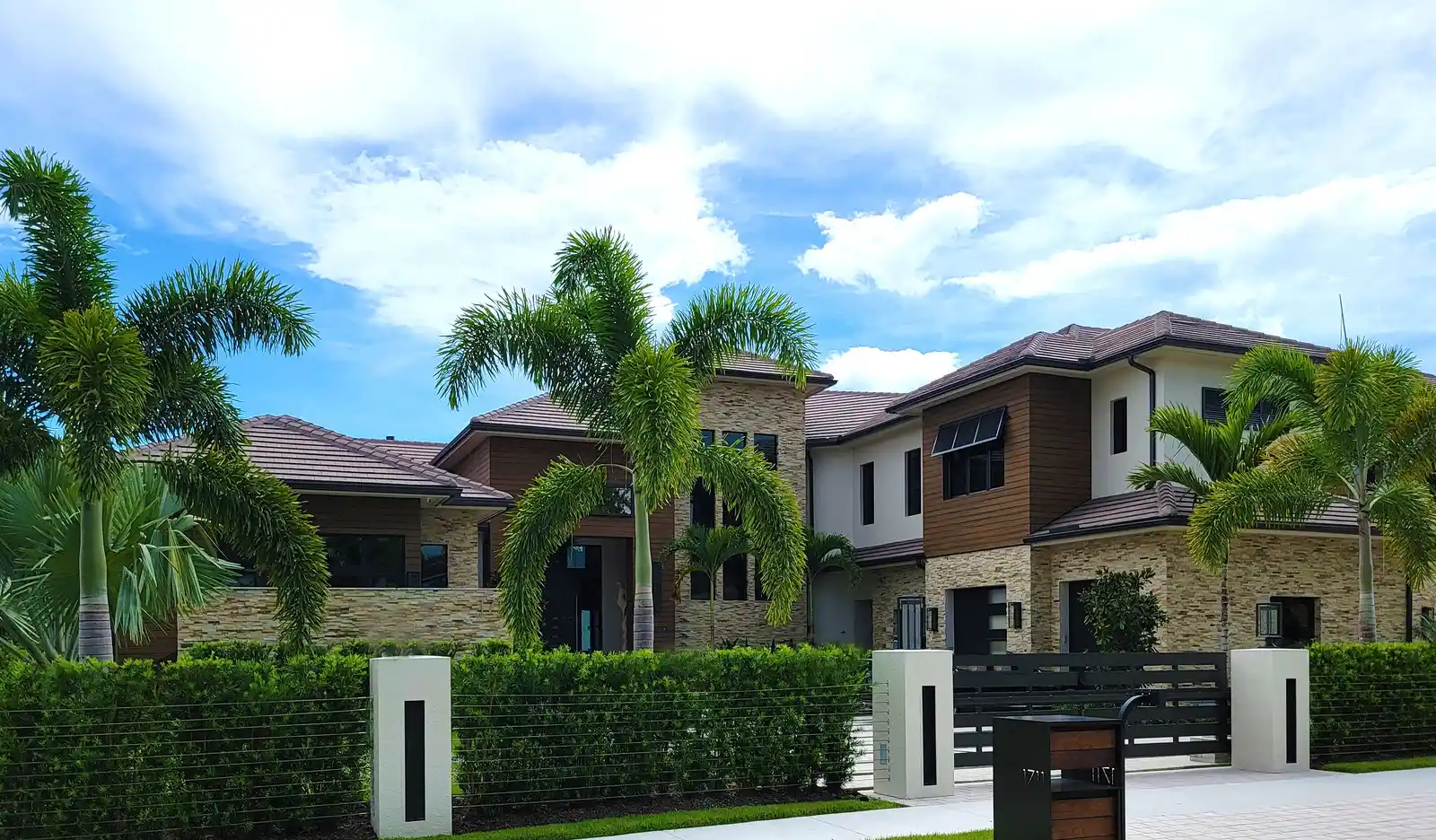
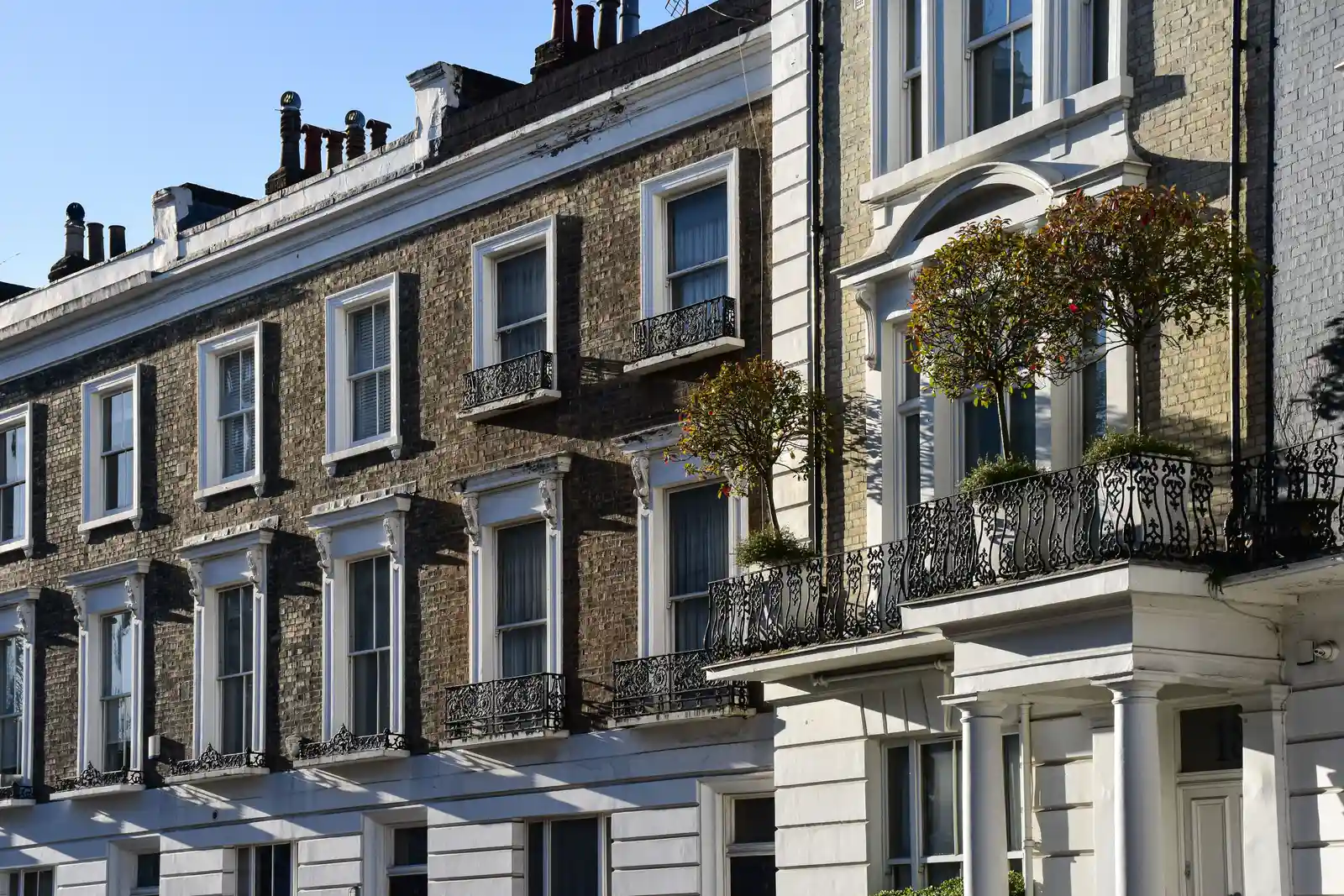
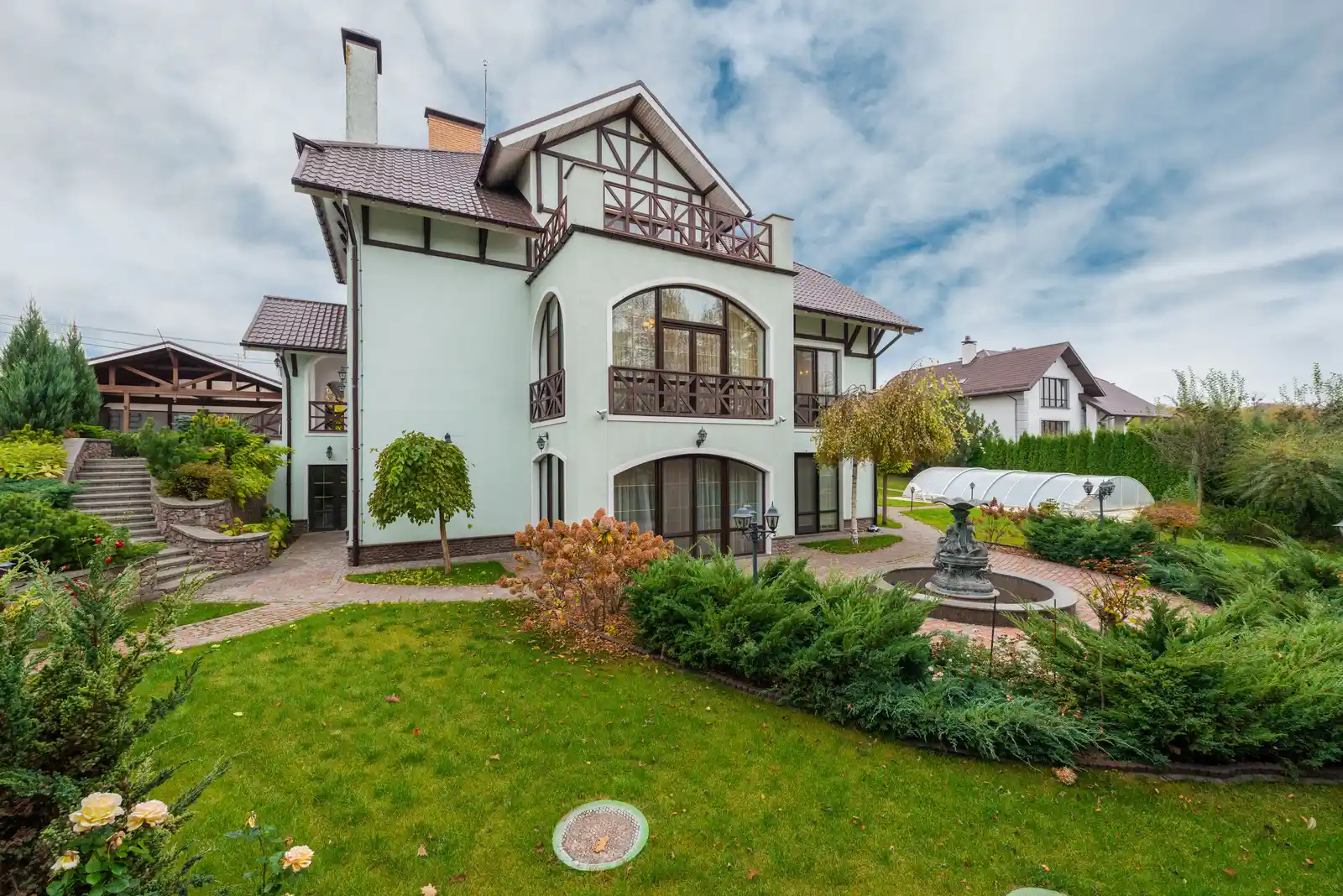
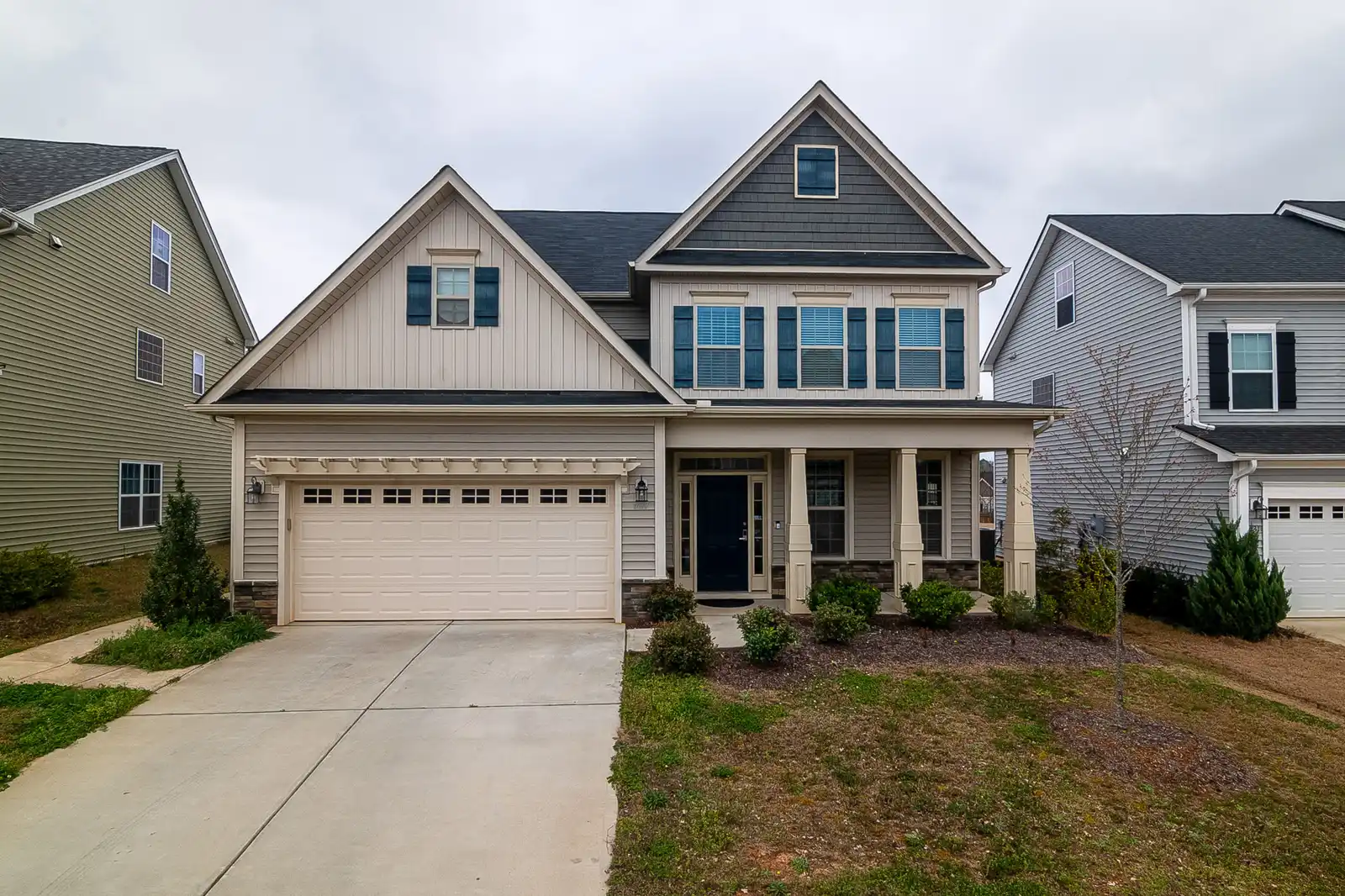
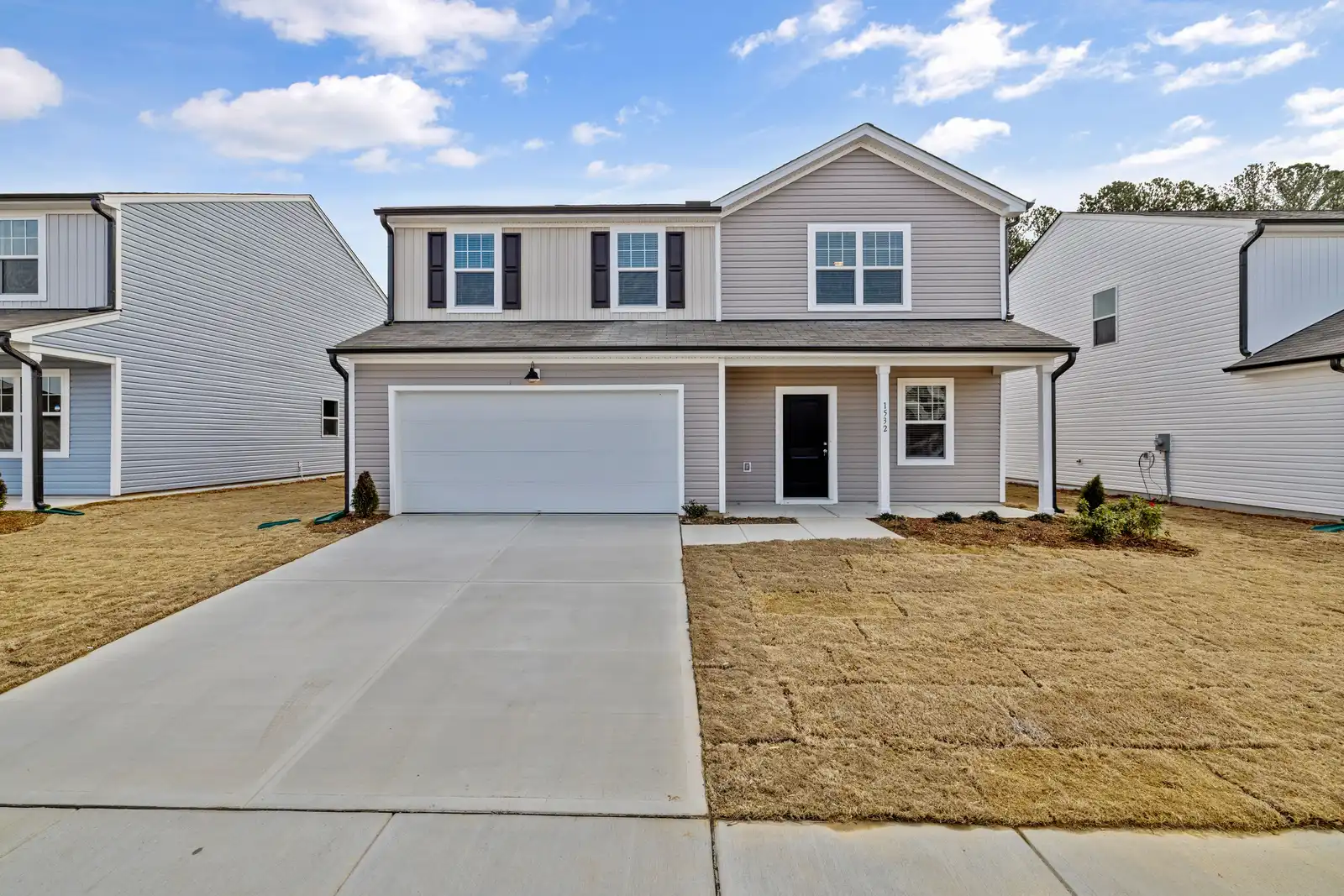
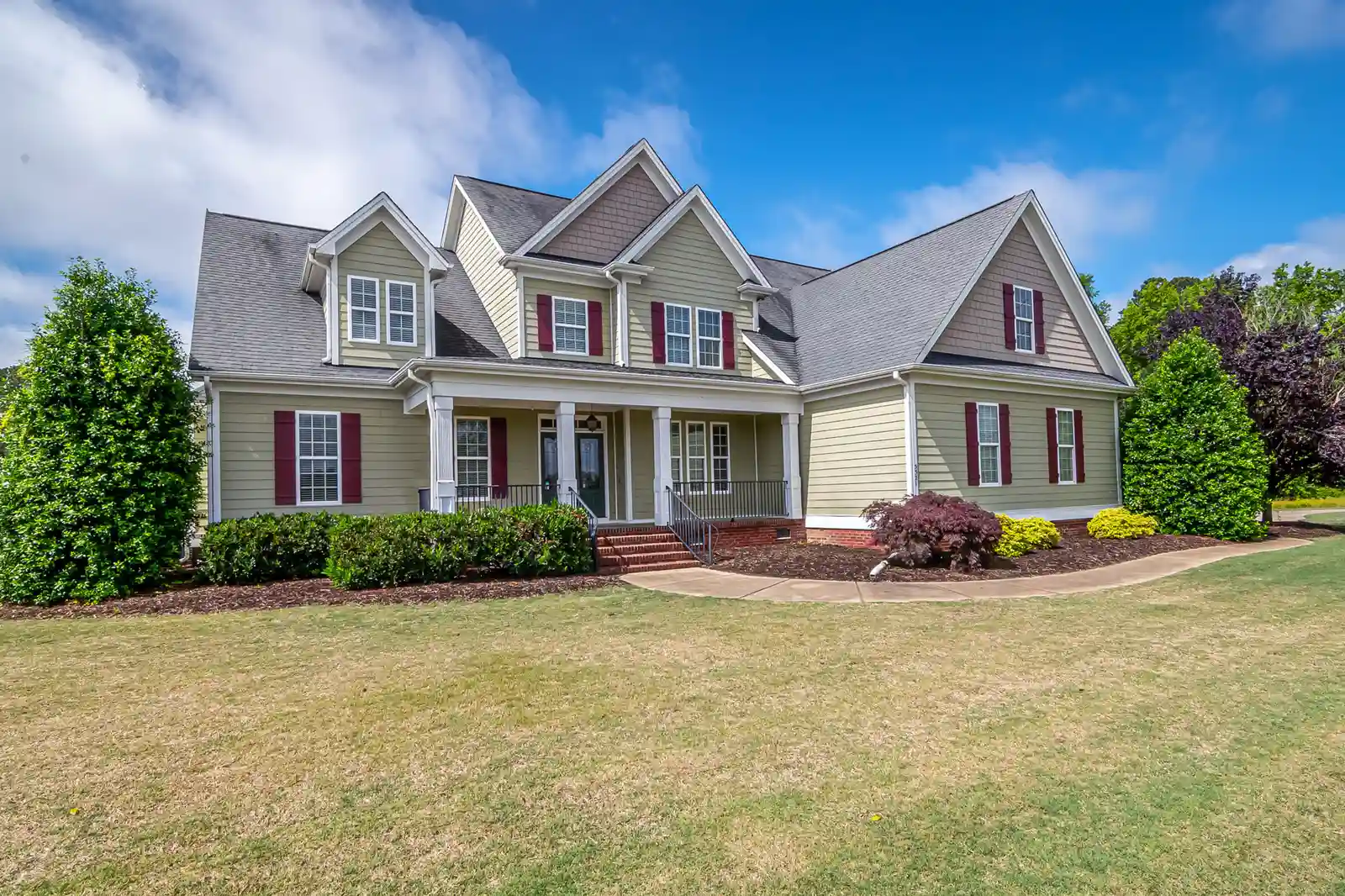
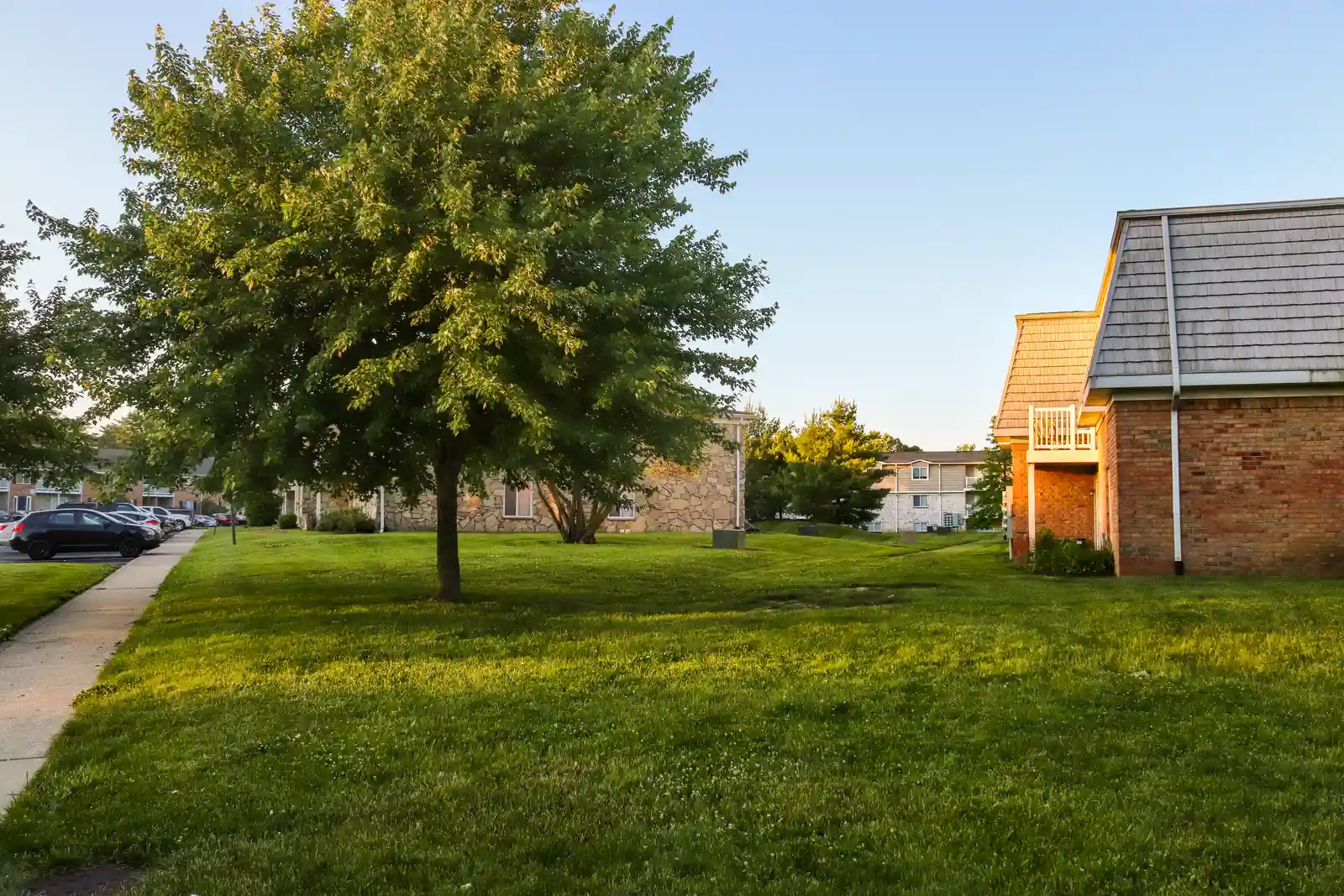
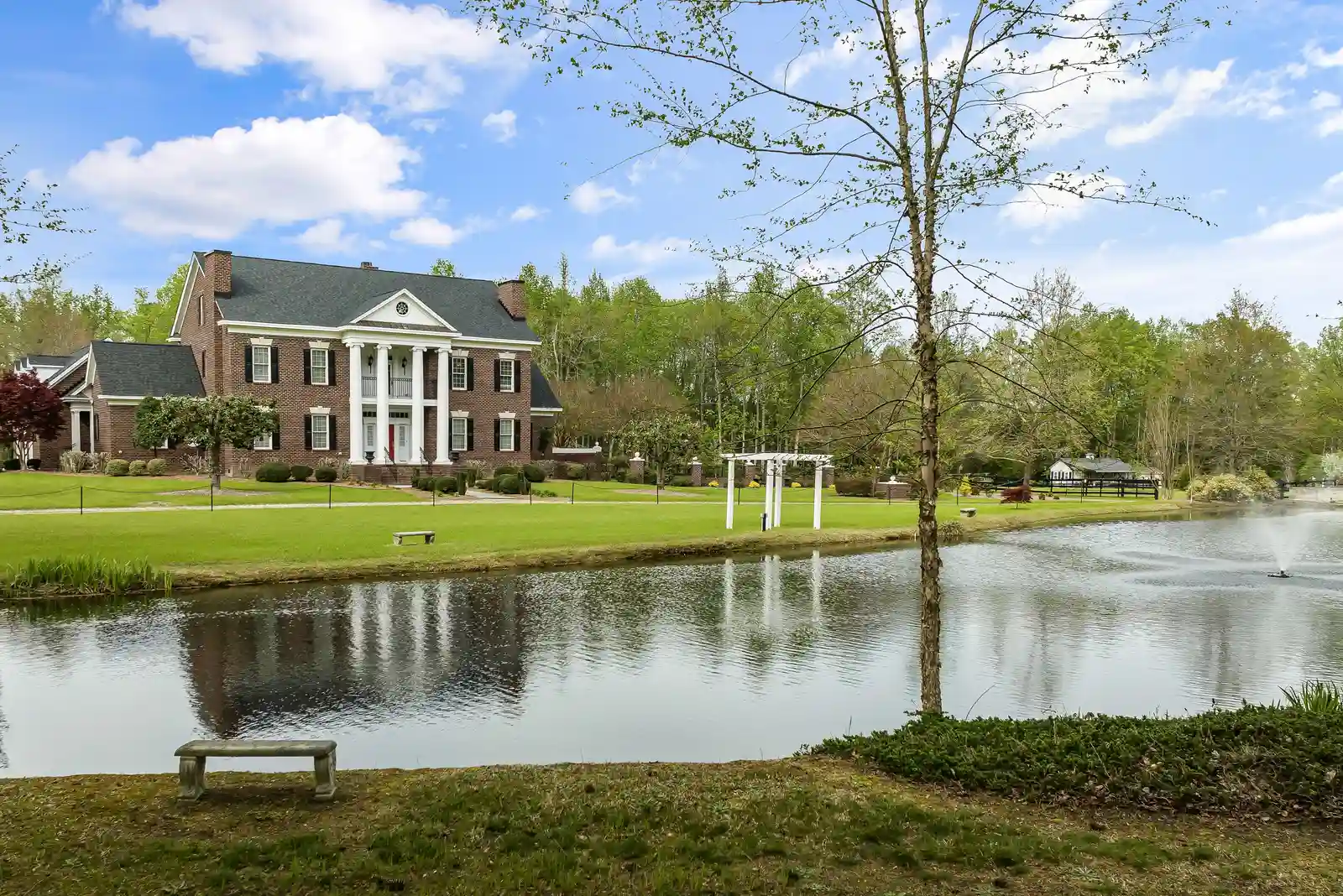
Clarendon Hills stays small on purpose, and the masonry on its craftsman and colonial homes has always matched that scale. We build additions and new construction here that read like they belong on the block, not like they're competing with Hinsdale next door.
Clarendon Hills is one of the smallest towns in DuPage County, and its craftsman and colonial housing stock has never needed to shout. We build additions, rebuilds, and new construction sized and finished to match that quiet character — not to outdo it.
Clarendon Hills stays small on purpose, and the masonry on its craftsman and colonial homes has always matched that scale. We build additions and new construction here that read like they belong on the block, not like they're competing with Hinsdale next door.
This is a village of small, older lots close to the Metra line, where a new addition or rebuild sits within a few feet of the house next door. A crew that doesn't plan staging carefully or match brick tone to a 1920s craftsman ends up with a build that looks bolted on rather than built in — and a block that notices.
From foundation block on a new build to a chimney rebuild on a 1920s craftsman, we cover the full range of masonry a small DuPage town actually needs — with the same in-house crew from first estimate to final joint.
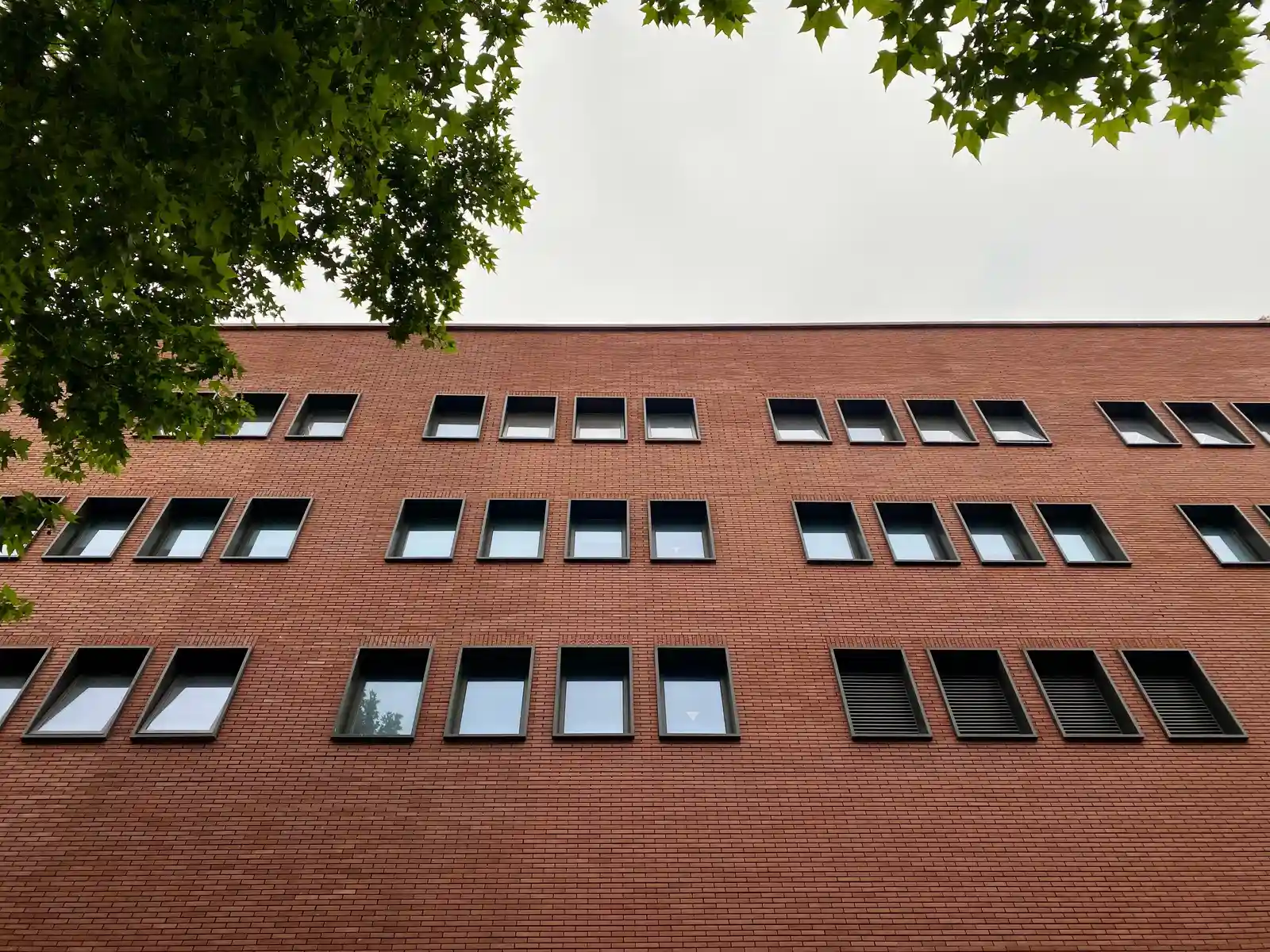
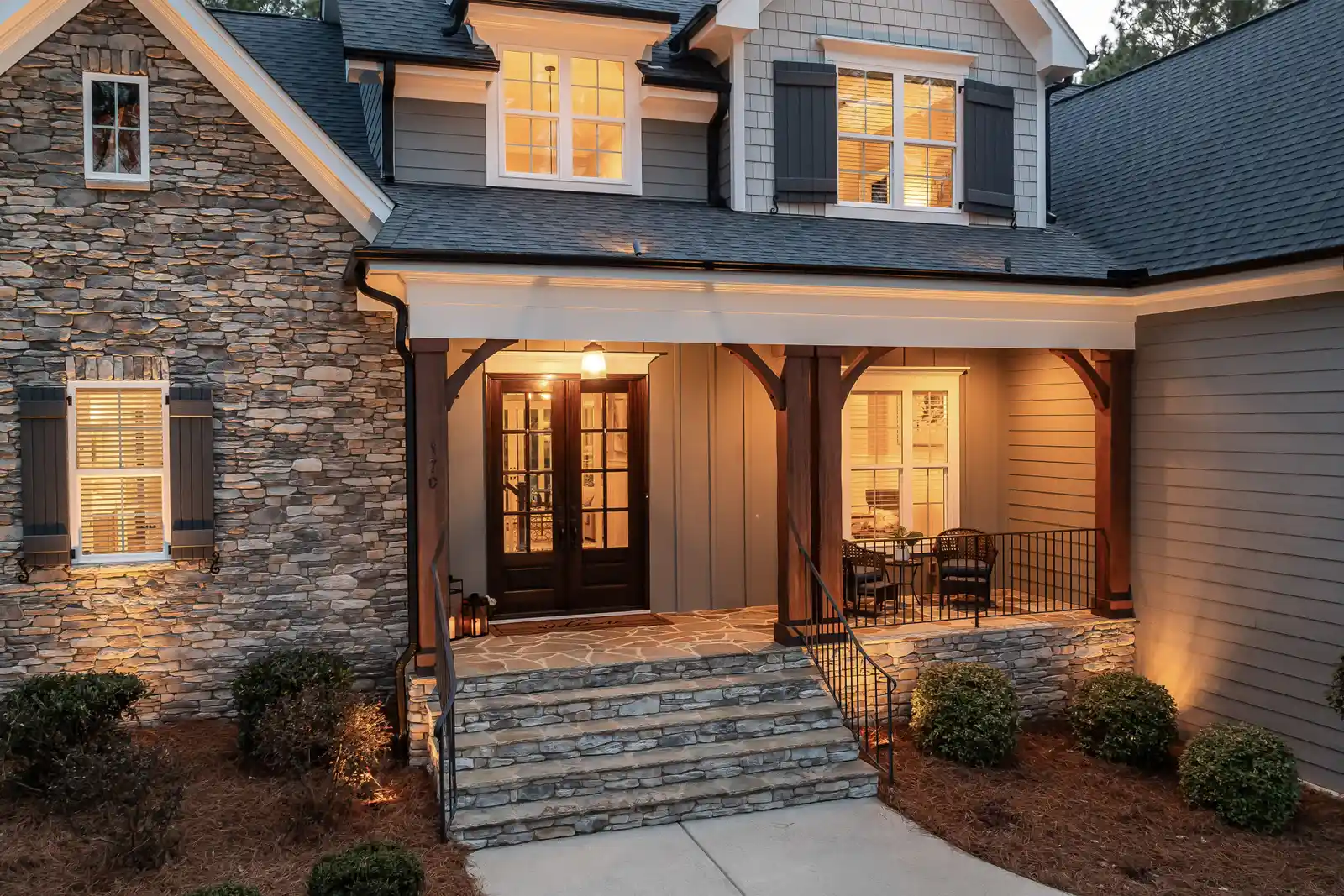
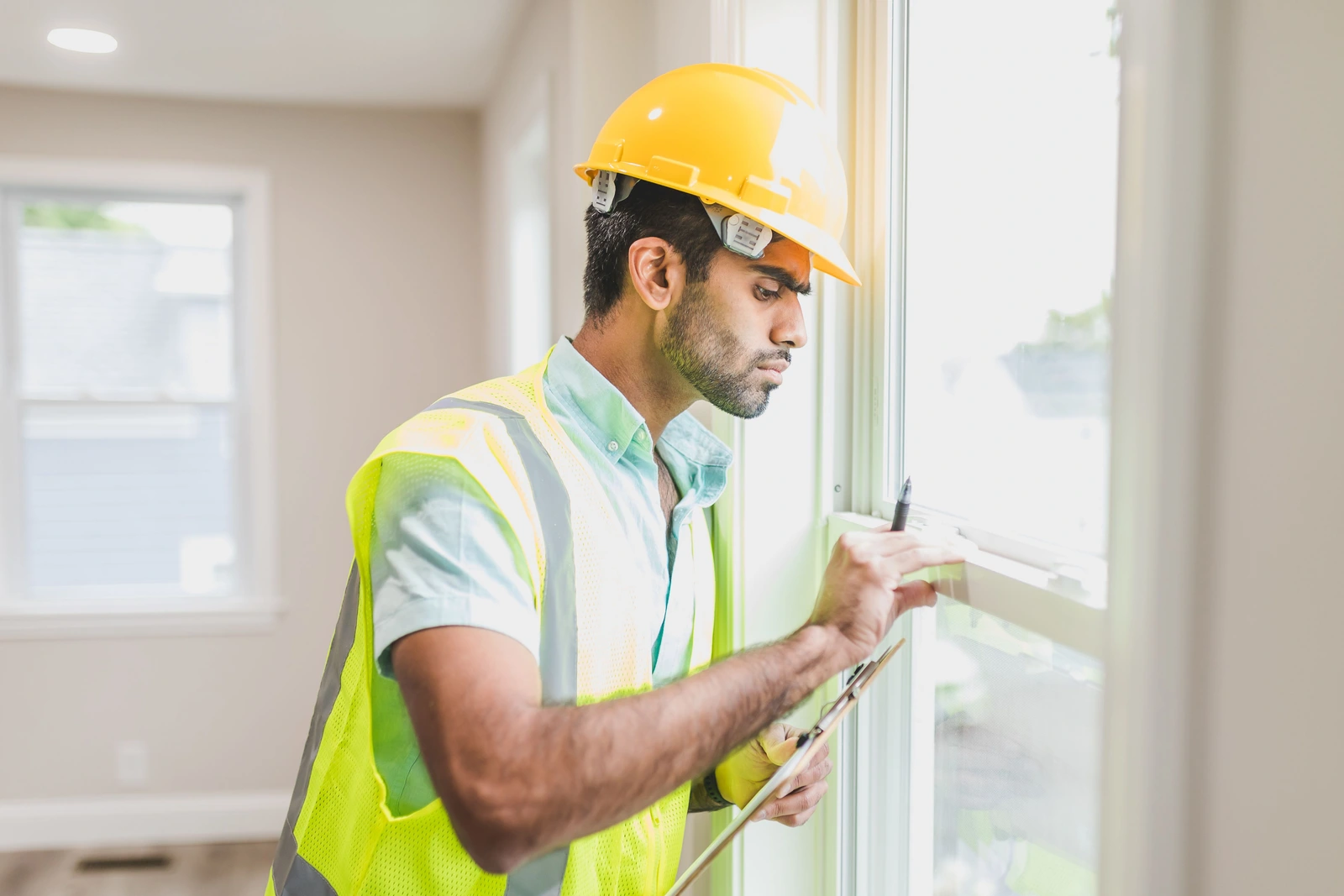
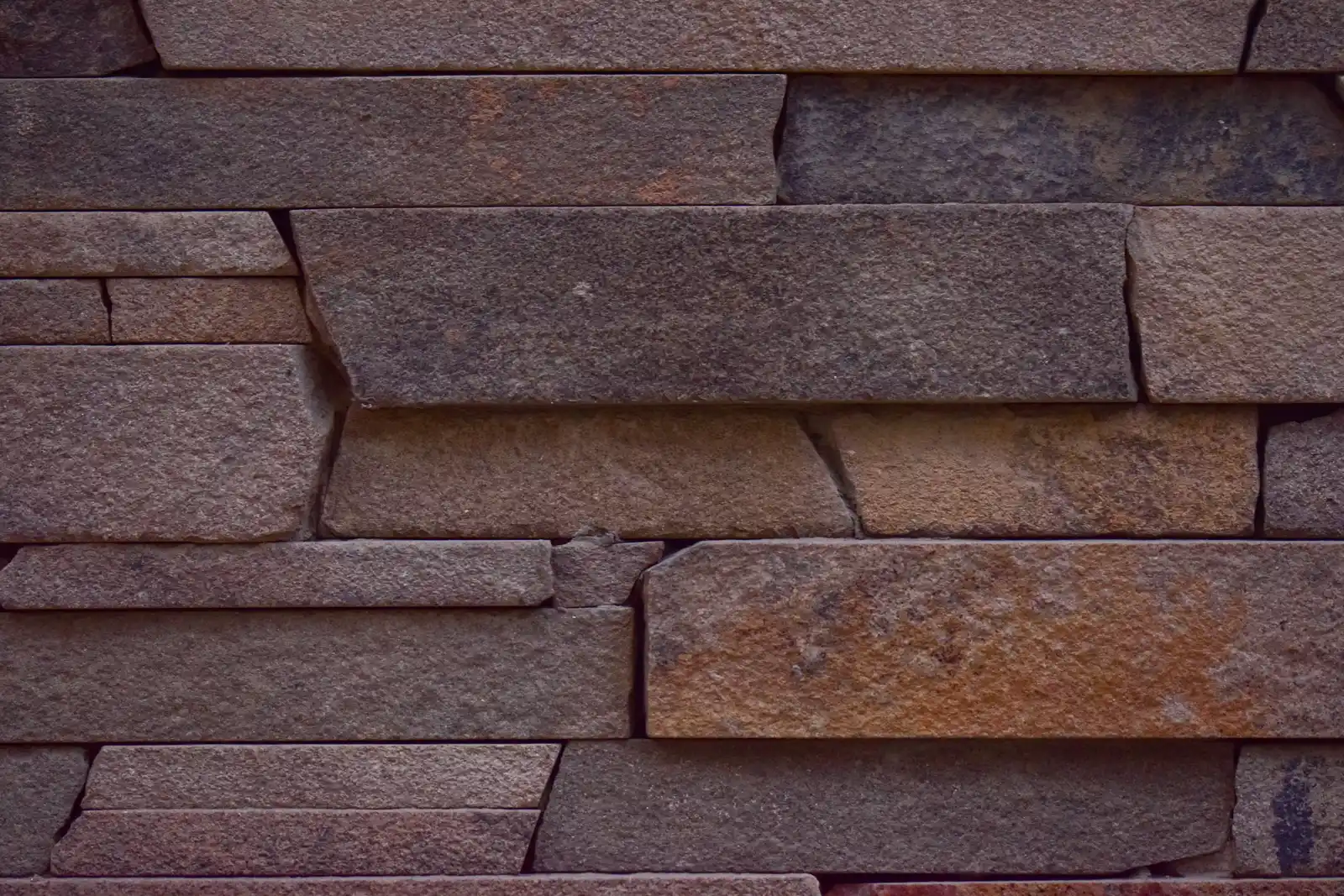
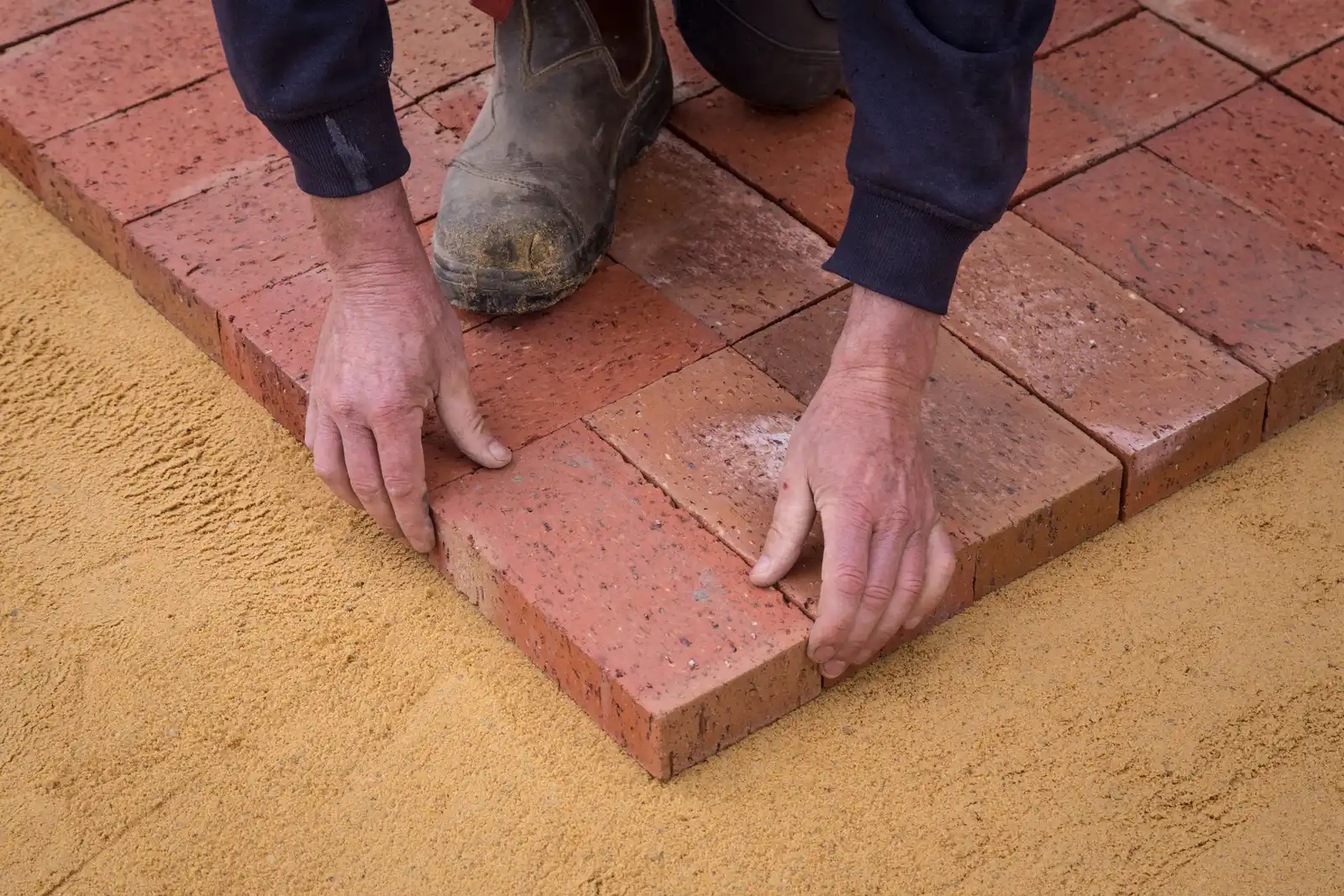
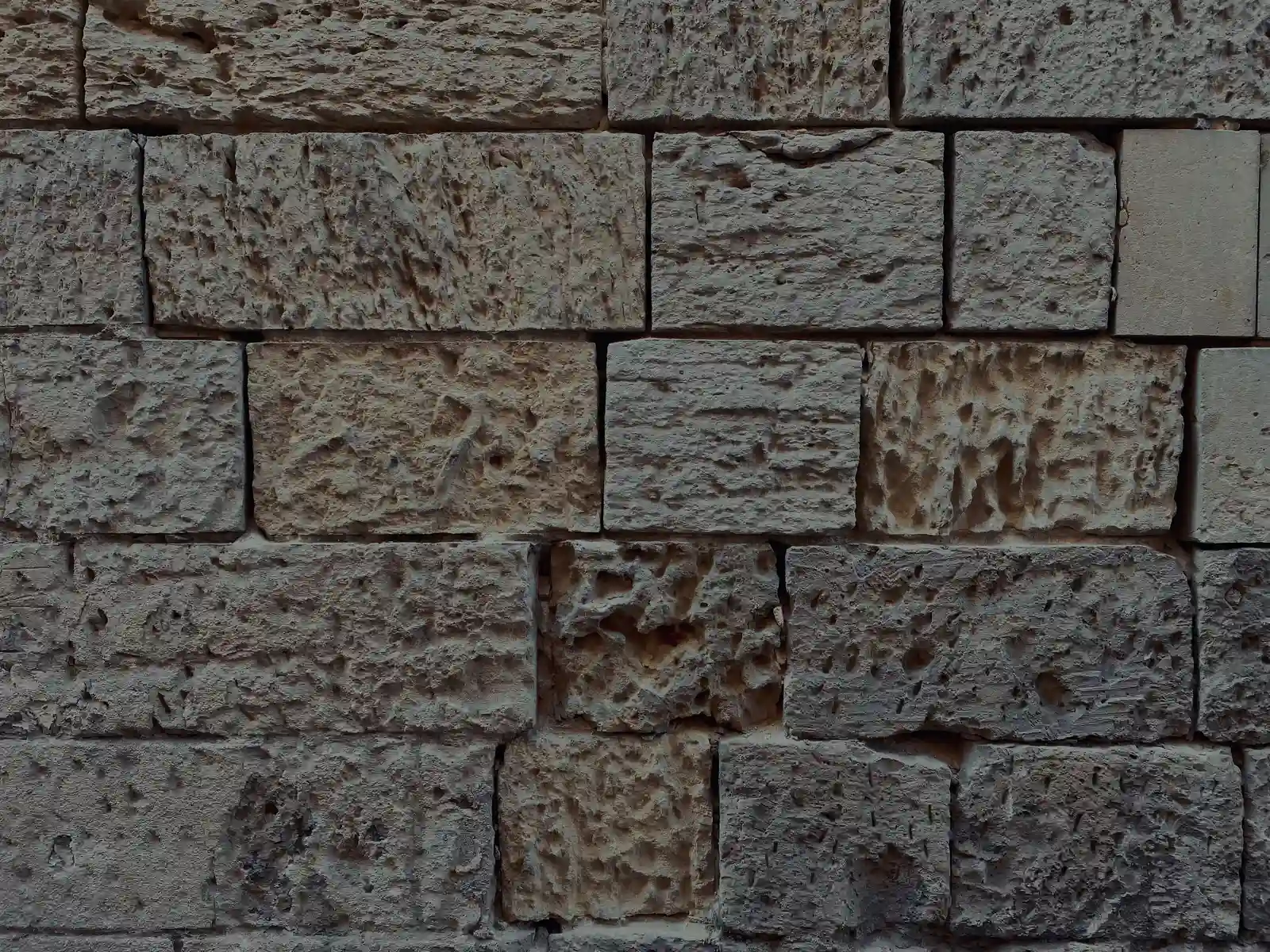
Small lots, close neighbors, a Metra line through downtown — here's how we plan around all three.

We read the architect's set for a Clarendon Hills lot before ordering material, flagging any masonry detail the village permit desk will want called out clearly.
These are small, older lots — a coursing or veneer detail that's vague on paper turns into a permit question on site.
On additions near Chicago Avenue and Prospect, we pull mortar color and brick sample against the existing craftsman or colonial next door before we mix a batch.
A build that reads out of place on a quiet residential street is a problem no amount of clean coursing fixes later.
Narrow side yards and close-set homes near downtown and the rail corridor mean we plan material staging and street access before scaffolding goes up.
Village-scale lots leave little room for error — a poorly staged delivery blocks a driveway or access for a full day.
Our own crew lays every course, from foundation block to chimney to finished veneer, with the same hands from estimate through final joint.
No rotating subcontractors on a project where the homeowner and the GC both expect one accountable crew.
We inspect every joint, wash down the new brick or stone, and clear the site completely before handing it back to the builder or homeowner.
A clean handoff on a small village lot matters as much as the masonry — there's no back alley to hide debris in.
Clarendon Hills homes sit close together on modest lots near the Metra tracks. A mismatched brick tone or a poorly staged delivery isn't a private problem here — it's visible from the sidewalk and the neighbor's kitchen window.
Typical cost to redo a brick or veneer mismatch on an addition
Before poor flashing or ties on a rushed build show up as water damage
Our pass rate on Clarendon Hills village building inspections
A new addition ordered off a catalog swatch instead of a site sample often reads noticeably brighter or cooler than the original craftsman brick beside it.
On narrow side yards near downtown, an unplanned material drop can strand a neighbor's car or block the only access point for a full workday.
A steel lintel sized wrong for a new window or door opening settles over time, and that settling shows up as stair-step cracking through brand-new brickwork.
Swapping masons partway through a small addition means a new hand tries to match joint width and mortar color the previous crew already set.
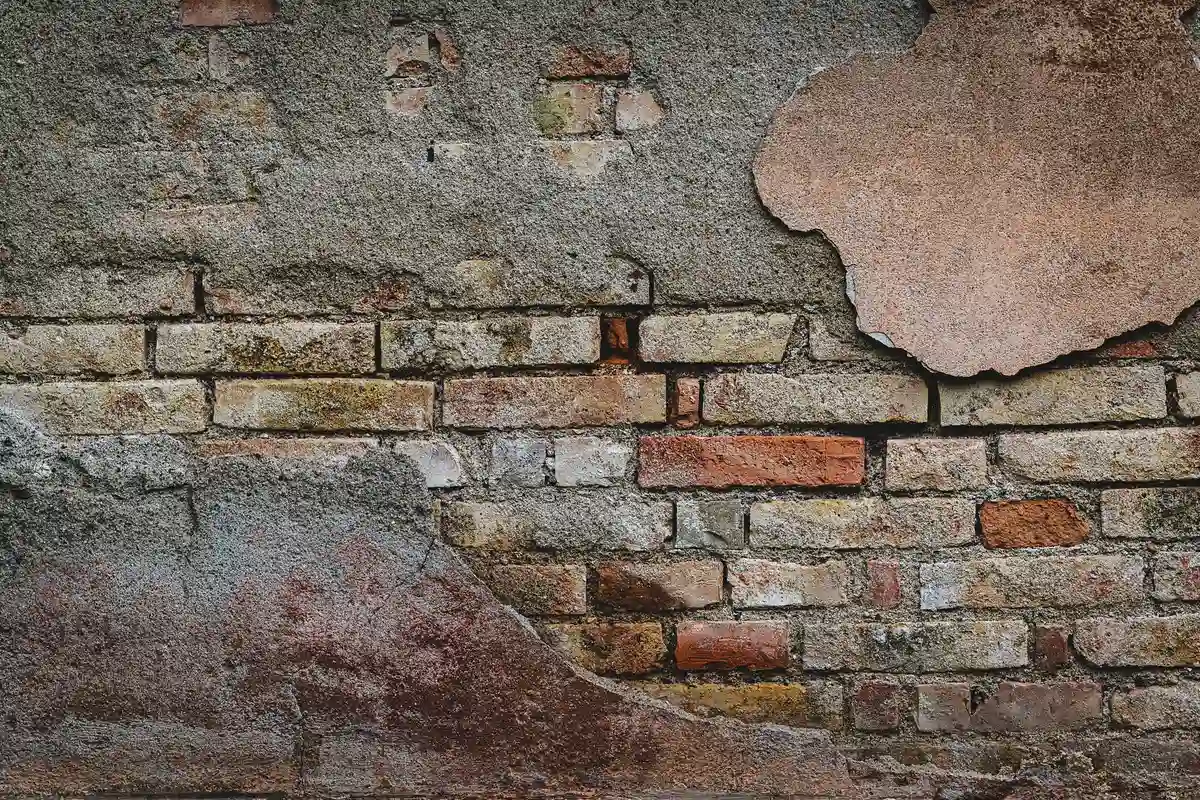
We pull a physical sample against your home's existing brick before we mix a batch — no guessing on a block where the seam would show.
We never rotate in subcontractors mid-project. The masons who quote your job are the same ones setting the final course.
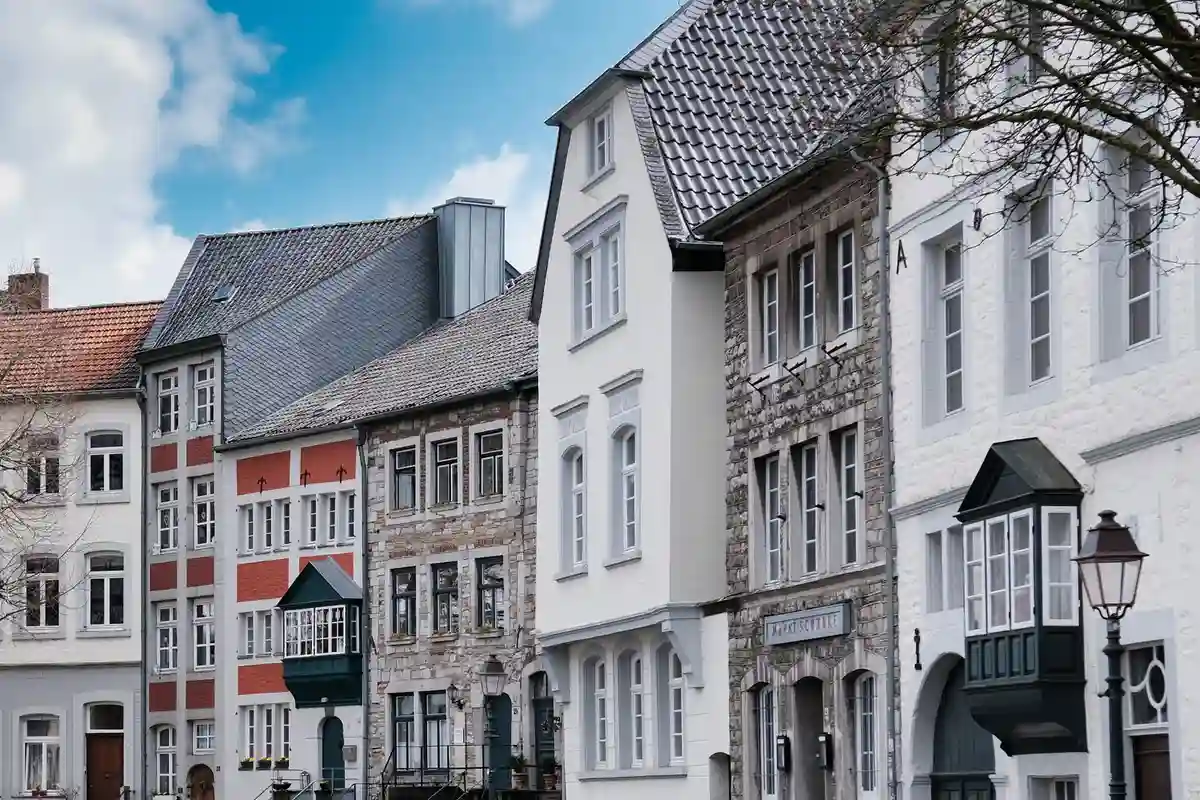
Narrow side yards near downtown mean we map material delivery and street access before the first scaffold goes up.
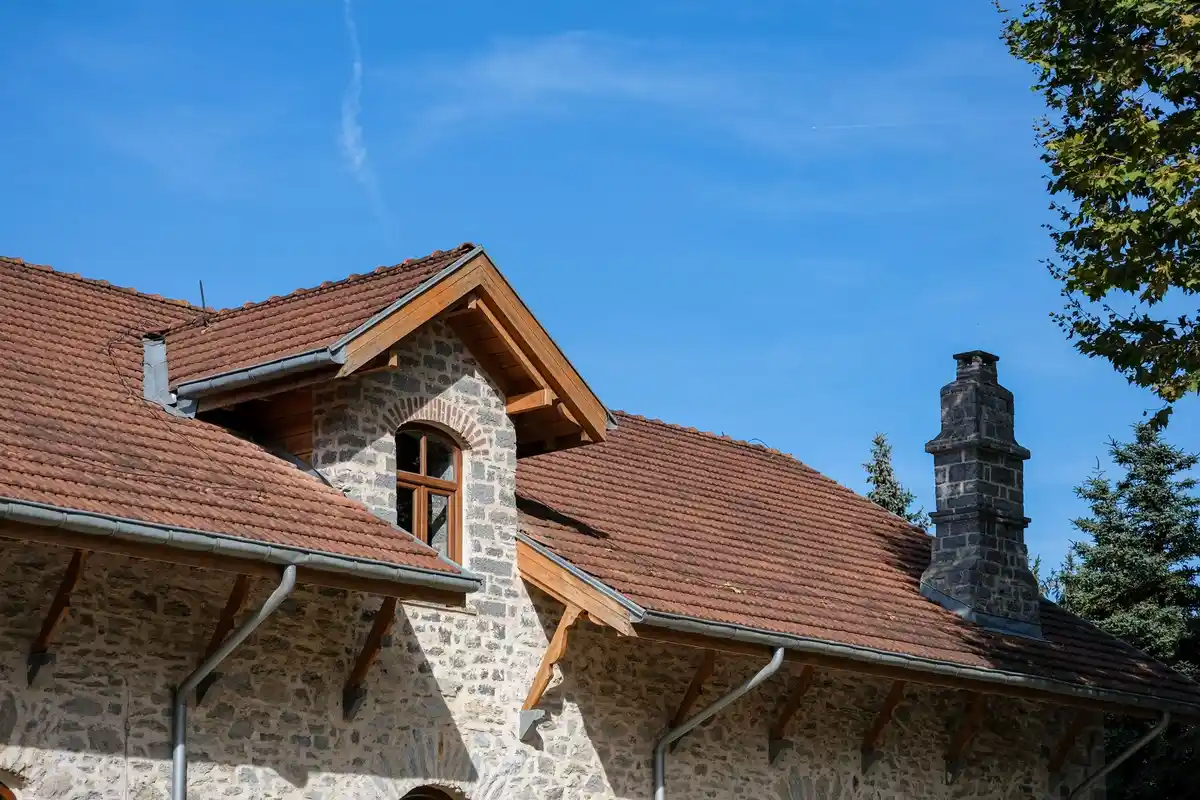
Many of these homes date to the 1920s. We know how to tie new masonry into original framing without forcing a modern fix on an old structure.
"We added on to our 1928 craftsman near Prospect Avenue, dreading a mismatched brick line. AMS sampled three options against our wall first."
Sarah Kowalski
Clarendon Hills, IL · DuPage County
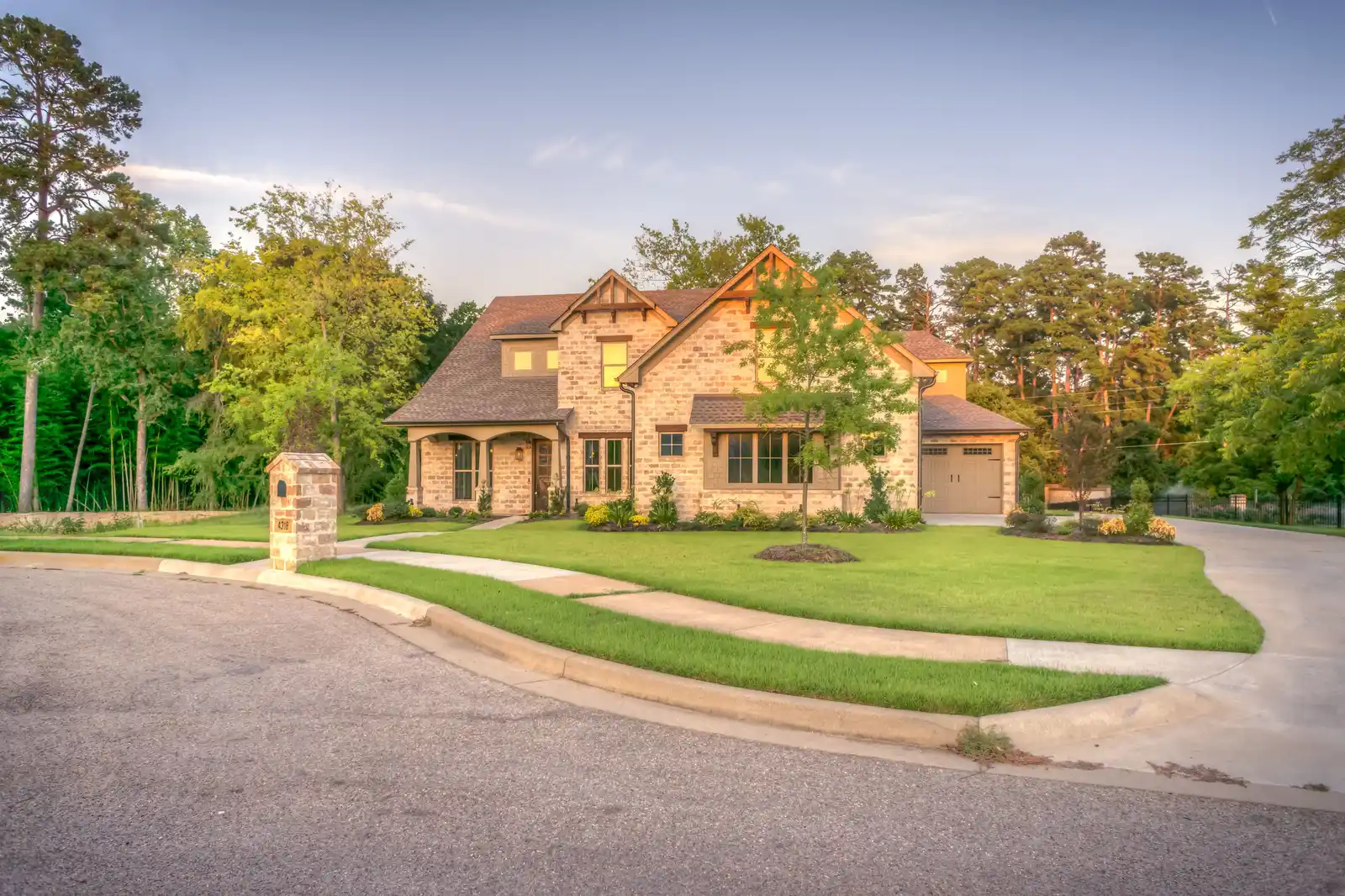
Brick and stone veneer, chimney and fireplace, and tuckpointing work completed for Clarendon Hills homeowners — sized and finished to sit naturally beside the houses next door.
100+ projects completed across Illinois
If your new mortar or brick doesn't match the sample we showed you before we started, we redo it. No charge, no argument. That's our standard on every Clarendon Hills project.
What homeowners on Clarendon Hills' smaller lots usually want to know before work starts.
Clarendon Hills is one stop on a route that runs from DuPage County's small towns to the North Shore and the city itself.